2026年8月10日
Beijing Factory Filming | Industrial Video Production Crew
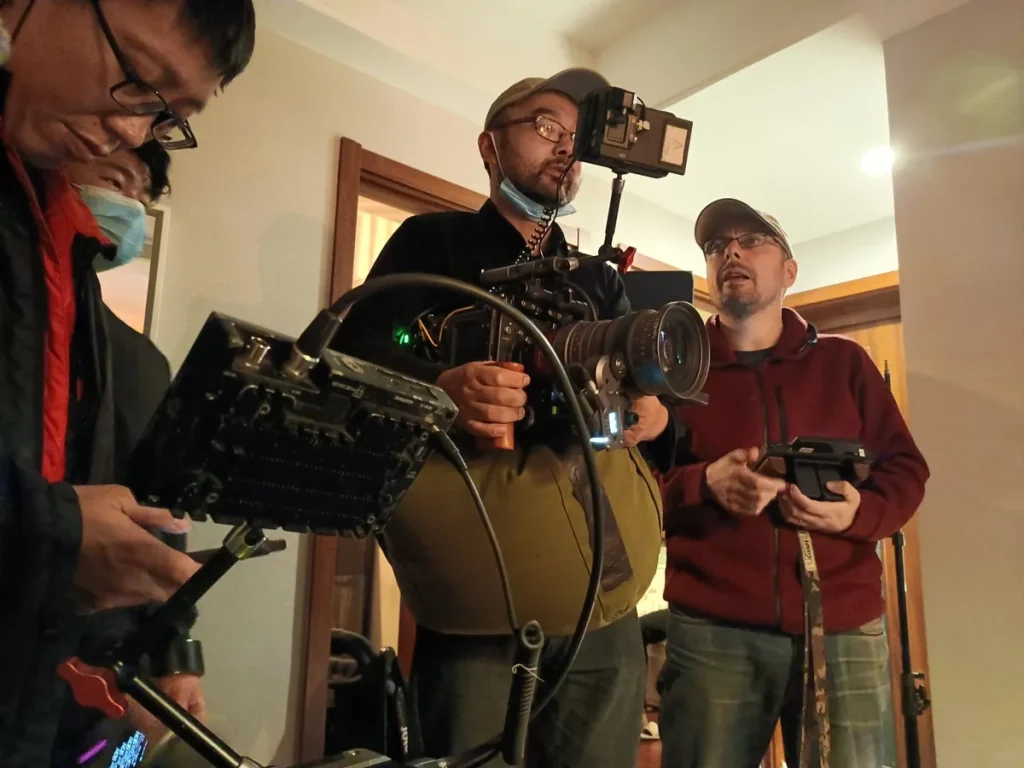
Filming inside a working factory is a specialist job. The site keeps running, the light is bad, the noise floor is punishing, half the floor is commercially sensitive and safety rules are not negotiable. We crew industrial shoots across Beijing and the surrounding manufacturing belt for brands, trade media, investors and supply-chain clients.
Access, Approvals and Confidentiality
Factory access is granted by the plant, not by the city, and it is almost always conditional. Expect a non-disclosure agreement, a named escort, defined no-shoot zones covering proprietary tooling or client products, and a review of the footage before release. Building those conditions into the shooting plan is the difference between a productive day and an escorted exit.
Where the facility supplies a global brand, expect a second layer of approval from that customer as well. This is the single most common cause of delay on industrial shoots and it needs starting weeks before the crew travels.
Beijing is the most permit-sensitive city in the country. Government districts and several landmark squares are effectively closed to commercial filming, and approvals need genuine lead time — build three to four weeks into the schedule rather than one — usually secondary on private sites, but relevant for exteriors, gate shots and any aerial work over the plant.
Where the Plants Actually Are
Industrial filming booked as Beijing work is usually in the belt around the city rather than inside it. Yizhuang in the south-east is the main industrial development area within Beijing itself, and beyond the municipal boundary the Tianjin and Hebei corridor carries much of the heavy manufacturing, automotive and energy infrastructure that clients want on camera. Tianjin is well under an hour from Beijing by fast rail, which makes it a realistic day trip, but plants in Hebei are frequently a road journey with an early start and should be planned as a full day each.
You will often pair this with Beijing Film Fixer on the same Beijing schedule.
Sound in a Working Plant
A running line can sit well above conversational level, which makes on-floor interviews unusable without planning. The workable approaches are a quiet office or meeting room adjacent to the floor with the line visible through glass, a scheduled pause during a shift change, or recording the interview separately and cutting to the floor as b-roll.
Wide boulevards push traffic noise a long way, winter wind is a constant problem for exteriors, and hutong courtyards are surprisingly usable once you are off the main road — outside the plant gates the ambience adds its own layer, which matters for exterior establishing shots and gate interviews.
Most shoots here also book Beijing Permits & Production Services.
Research Facilities and What Can Be Shown
Beijing’s concentration of research institutes, state laboratories and technology campuses means a good share of the industrial work here is a laboratory or R&D shoot rather than a production line. Those environments come with their own constraints: restrictions on which equipment can enter, screens and whiteboards that cannot appear on camera, and named personnel who may or may not be cleared to be identified. Agreeing the shot list against those restrictions before the crew travels is the difference between a productive day and a heavily curtailed one.
What Industrial Films Are Used For
In Beijing the sectors driving this work are government and policy communications, technology around Zhongguancun, education, aerospace, state media and cultural institutions. The finished films are typically capability videos for prospective customers, supplier audit and due-diligence material, investor and ESG communications, recruitment content and trade-show loops.
Each has a different tolerance for showing process detail, and agreeing that boundary with the plant before the crew arrives is what keeps the day moving.
For a fuller crew in Beijing, Beijing Camera Crew is the natural next call.
Scheduling Around the Line
Production schedules beat filming schedules every time. Plan around shift patterns, maintenance windows and the specific moments worth filming, and be ready to reorder the shot list when the line stops for reasons that have nothing to do with you.
Two airports, extensive metro and high-speed rail south; allow for long cross-city transfers during peak hours. September and October are the classic window — dry, clear and stable. Winter is cold but visually clean; spring can bring dust — an important factor when the day includes exteriors, yard shots or aerial coverage.
Frequently Asked Questions
Can you cover a plant in Tianjin from a Beijing base?
Comfortably — fast rail makes Tianjin a straightforward day trip. Hebei sites are usually a road journey and we would plan those as a full day each rather than doubling up.
Do we need special permission to film inside a factory in Beijing?
Permission comes from the plant itself, usually with an NDA, a named escort and agreed no-shoot zones. Where the site supplies a global brand, that customer may also need to approve.
What are the usual restrictions inside a research facility?
Typically which areas may be entered, what equipment may come in, whether screens and documents can appear, and which staff can be named. We ask for all four in writing during prep.
Can you film while the production line is running?
Yes, and it usually makes the better film. Safety rules restrict where crew and stands can go, so we plan the coverage around marked walkways and battery kit.
What Else You May Need in Beijing
See also Beijing Camera Rental for the wider Beijing production picture. If the brief widens, Beijing Interview Filming is the usual add-on in Beijing.
If you have dates in mind, send them over with a sense of the deliverable and we will put a crew and a quote in front of you. Reach the production desk at [email protected].