2026年8月11日
Osaka Photographer | Commercial & Editorial Photography
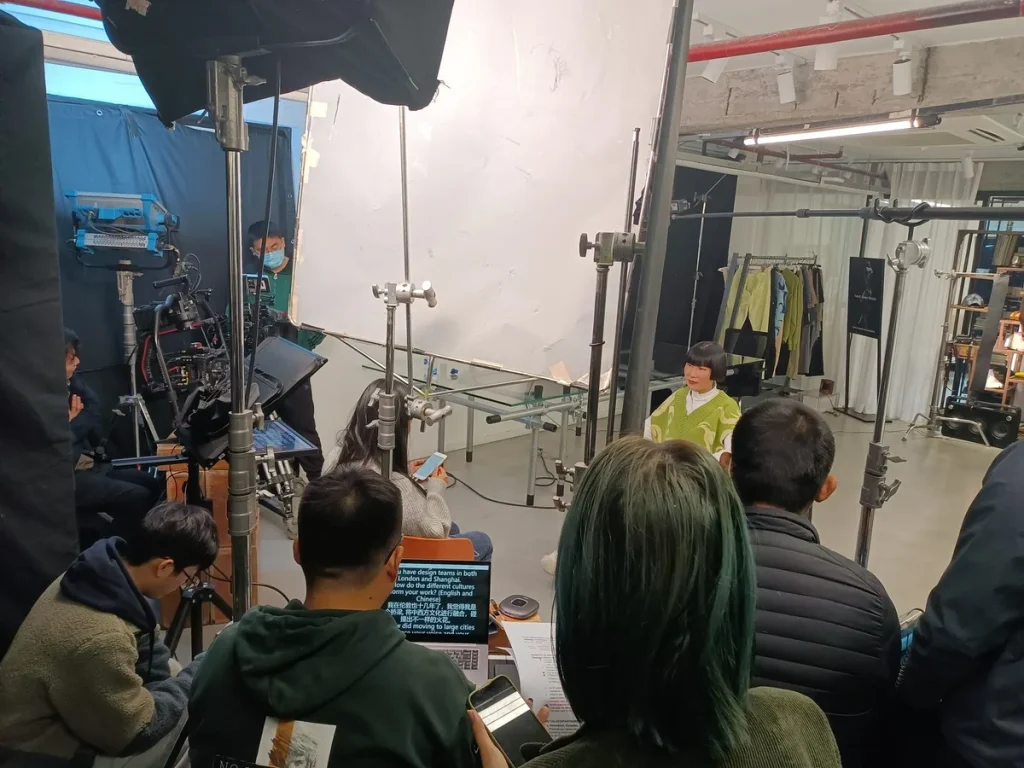
A photographer in Osaka covers the stills side of a production – portraits, product, architecture, food, fashion and event coverage. For visiting brands and agencies we supply a shooter who knows the city’s locations, light and permit process, so the brief lands without a local scout attached to every call sheet.
What a Osaka Photographer Brings to the Brief
A photographer in Osaka handles the stills: the hero product shot, the CEO portrait, the hotel suite, the dish, the runway frame or the factory floor. The good ones read a brief fast and turn it into a shot list, a lighting plan and a call sheet that respects the location and the clock.
For international clients the value is local knowledge as much as the lens – knowing which rooftop is open, what the light does at 5pm, and how to move a kit through Osaka without losing the golden hour.
Shooting Stills Across Osaka’s Districts
Osaka rewards a location-by-location permit plan: Dotonbori and Shinsaibashi crowds peak in the evening, so neon and street life are a blue-hour brief, while the covered arcades of Tenjinbashi and the canal views of Nakanoshima shoot calmly by day. The flat, rail-served centre keeps a photographer moving between looks without losing the light window.
You will often pair this with Osaka Film Fixer on the same Osaka schedule.
Power, Charging and Studio Realities in Osaka
Mains in Osaka run at 100V / 60Hz (western Japan runs 60Hz), Type A and Type B sockets. That sets your charging plan for speedlights, LED panels and tethered capture, and decides whether you need travel adaptors or local power distro on a bigger build.
Even on a stills job, venues lit with LED or fluorescent can flicker under the wrong shutter if you also grab motion – 60Hz mains means 30p or 60p is the safe default; at 24p keep the shutter at 1/60 or a 144-degree angle to avoid flicker from fluorescent and LED lighting. Knowing it before the shoot saves a reshoot.
For a fuller crew in Osaka, Osaka Permits & Production Services is the natural next call.
The Osaka Looks Clients Brief
The recurring Osaka requests are the neon of Dotonbori and Shinsaibashi, the covered shopping arcs of Tenjinbashi, Osaka Castle and the modern skyline around Umeda, the canal views of Nakanoshima and the older merchant streets of Shinsekai. Architecture and interiors want clean verticals and balanced window light; food and product want controlled speculars; lifestyle and portraiture want the city’s actual texture, not a generic studio.
A shoot that spills onto a public pavement or plaza in Osaka usually opens a permit conversation worth starting during prep, so access is scoped before the call sheet locks.
Light and Glass in Osaka
Umeda’s modern skyline and Nakanoshima’s conference halls are glass-heavy, so watch mixed-temperature light sources and balance window daylight with interior tungsten before it hits the sensor. Osaka Castle and Shinsekai read best with directional evening sun rather than midday flatness.
See also Osaka Videographer for the wider Osaka production picture.
Permits and Location Access in Osaka
Public-space filming needs permission from the ward office and the property or transit authority; the Osaka Film Commission assists with locations and permits, and major sites set their own terms. Drone work requires Civil Aviation Bureau (JCAB) approval. A photographer moving through multiple locations in a day needs the permissions lined up in advance, not negotiated on the curb – it is the difference between a smooth call sheet and a cancelled setup.
For interiors – hotels, malls, transit – the property’s own approval often matters more than the city permit, so confirm both.
Assistants, Retouchers and Kit in Osaka
a strong domestic crew and rental market with experienced bilingual crews, so pairing a photographer with a digital assistant and, for bigger days, a retoucher on site is usually straightforward given reasonable notice. Most kits – bodies, primes, strobes, modifiers – can be sourced locally.
If the deliverable is high-volume (e-commerce, events), build the assistant and the tethering station into the plan from the start; it is cheaper than fixing a backlog afterwards.
Scheduling Around Osaka’s Conditions
Kansai International (KIX) sits on an artificial island 40 to 50 minutes from the centre by rail; the city is flat and well served by subway, JR and private lines. Spring and autumn are the most reliable; the rainy season runs mid-June to mid-July and typhoon risk peaks August to September; winter is cool and dry, which shapes exterior scheduling and how much weather contingency the plan needs.
Build in a realistic get-in and a kit-check window; a ten-minute frame-rate and card test on arrival prevents the ruined first setup that eats the rest of the day.
Frequently Asked Questions
What kit and backup does an Osaka photography day include?
A body, a standard prime-and-zoom set, speedlights or LED panels, and tethered capture where the client wants it; a second card and a drive backup are standard on any commercial day.
Do Osaka photographers work in English?
Yes – Osaka photographers and studios work in English as well as the local language, so international briefs move without a language gap.
Can an Osaka photographer shoot to a brand guideline?
Yes – send the mood board and the colour direction up front and the shoot is lit and graded to match, with selects delivered against the same reference.
What is typically included in a photography day rate?
A shooter, a standard kit (body, lenses, lighting) and a first edit or select set. Assistants, specific strobes, locations and usage rights are scoped separately – send the brief and we break it down.
Planning the Rest of the Shoot
Most shoots here also book Osaka Bilingual Fixer. If the brief widens, Osaka DIT is the usual add-on in Osaka.
Tell us the dates, the locations and what the finished piece has to do, and we will come back with names and a clear quote. Reach the production desk at [email protected].