2026年8月11日
Bali Bilingual Fixer | Local Fixer & Production Logistics
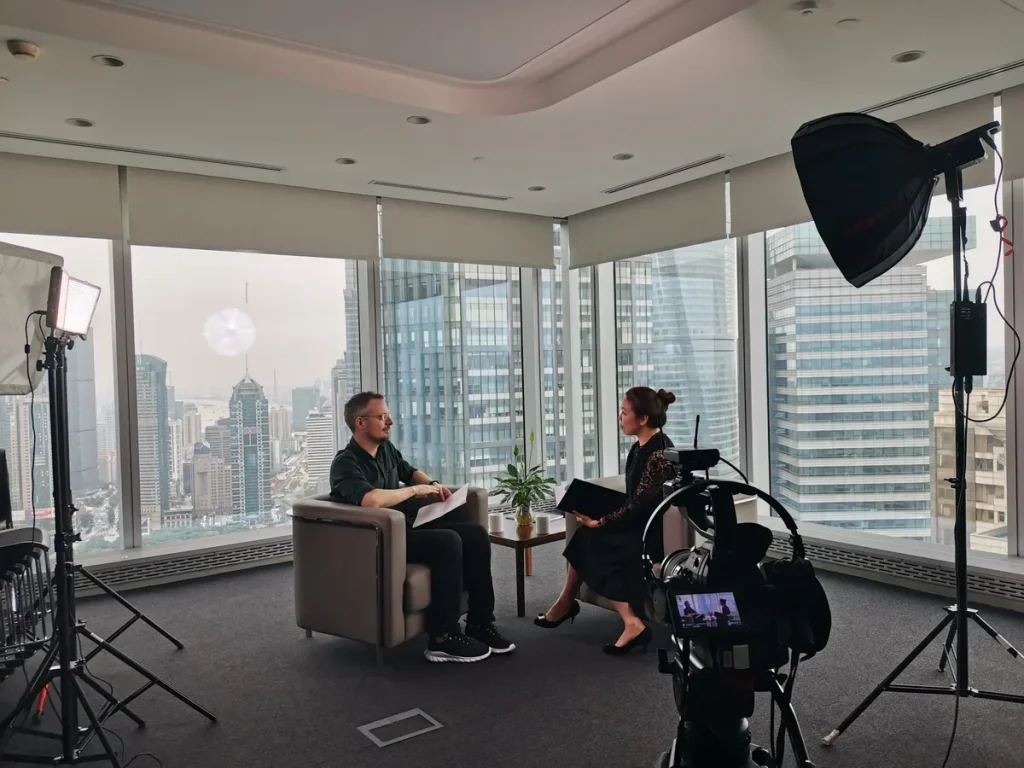
A bilingual fixer in Bali is the local pair of hands and brain that makes an international shoot work – the person who translates the brief, clears the permits, opens the doors and keeps the crew moving in two languages. For visiting productions we supply a fixer who is fluent in English and the local language and knows Bali’s production reality.
What a Bali Bilingual Fixer Actually Does
A bilingual fixer in Bali sits between the visiting production and the city: translating the brief and the call sheet, negotiating with locations, handling permits and visas, sourcing crew and kit, and solving the hundred small problems that stop a shoot. They are the reason an international team can arrive and work on day one.
The bilingual part is not decoration – it is what lets a director brief a local vendor, a DP talk to a venue manager, and a producer read a contract without a lag.
Banjar, Temples and Local Consent
Bali filming runs through the local banjar (village council) as much as regional authorities, and a fixer who knows the desa (village) unlocks temple locations a stranger cannot. The Indonesia Film Board (BKFI) supports the international paperwork, but the banjar consent is the real gate.
For a fuller crew in Bali, Bali Film Fixer is the natural next call.
Language, Translation and On-Set Communication in Bali
Bali fixers work in English as well as the local language, so briefs, contracts and on-set calls move without a gap. That covers vendor negotiation, location liaison, interview translation and the everyday coordination a shoot throws up.
For interviews and documentaries, the fixer often doubles as translator or lines up a dedicated one, which keeps the subject at ease and the questions accurate.
If the brief widens, Bali Permits & Production Services is the usual add-on in Bali.
Permits, Visas and Local Paperwork in Bali
Bali sits under Indonesia’s film rules; permits for public spaces and especially temples go through local banjar (village council) consent and regional authorities, and the Indonesia Film Board (BKFI) supports permits for international work. Drone flights need civil-aviation clearance and often local permission. A fixer owns this end to end – the applications, the follow-ups, the site letters and, where needed, the crew and equipment paperwork (carnets, customs) for kit crossing a border.
Getting it wrong is the fastest way to lose a shoot day, so the fixer starts the process as soon as dates are firm, not the week before.
Transfers Across the Island
Ngurah Rai serves the island but transfers between beaches and the uplands take one to two hours on narrow, busy roads, so a fixer builds buffer and books locations by zone. Hospitality-savvy freelance crew and strong fixers make the logistics manageable.
Most shoots here also book Bali Videographer.
Location Scouting and Local Access in Bali
The locations clients ask for in Bali range across terraced rice fields in Tegallalang and Jatiluwih, clifftop temples like Uluwatu and Tanah Lot, the beaches and bars of Seminyak and Canggu, Ubud’s jungle gorges and the volcanic slopes of Mount Agung. A fixer knows which are open, which need a fee or a contact, and which look right but are a permitting nightmare – and finds the alternative that saves the day.
They also handle the practical access: parking, load-in, power drops and the venue contact who actually answers the phone.
Crew, Kit and Local Sourcing in Bali
a hospitality-savvy freelance crew base with strong fixers for location and permits, so a fixer can assemble a vetted local crew – camera, sound, lighting, assistants – and source or rent kit without flying it in. For visiting productions that means lower cost and faster turnaround.
The fixer vets the people and the houses, so the production gets reliable local partners rather than a cold list.
Logistics, Travel and Contingency in Bali
Ngurah Rai International (DPS) serves the island; within Bali, transfers between beaches and upland areas take one to two hours on narrow, busy roads, so schedules need buffer. The dry season (April to October) is by far the most reliable for exteriors; the wet season (November to March) brings heavy afternoon rain and humid haze, which shapes scheduling and how much contingency the plan needs.
230V / 50Hz, Type C, F and G sockets (a mix, so bring adaptors) – a small fact that matters when you are powering a base camp or charging a kit fleet across a multi-location day. The fixer plans it so the crew does not think about it.
Frequently Asked Questions
What does a Bali fixer handle that a translator cannot?
A fixer secures banjar and temple consent, holds locations, and sources crew – the village relationship is something a translator alone cannot build.
What does a bilingual fixer do day to day in Bali?
Translates the brief, clears permits and visas, scouts and secures locations, sources crew and kit, and solves on-set problems in two languages. Essentially they make the city work for the production.
Can a bilingual fixer run both logistics and client calls in Bali?
Yes – the same person manages the local side and briefs the international client in English, keeping the plan consistent.
Do Bali fixers work in English?
Yes – Bali fixers are bilingual, working in English and the local language across briefs, contracts and on-set coordination.
Booking the Wider Crew
See also Bali Photographer for the wider Bali production picture. You will often pair this with Bali Gaffer on the same Bali schedule.
Share the schedule and what you need to walk away with, and we will come back with the right people for it and a straightforward quote. Reach the production desk at [email protected].