2026年8月12日
Manila Production Services | Fixer, Crew & Local Support
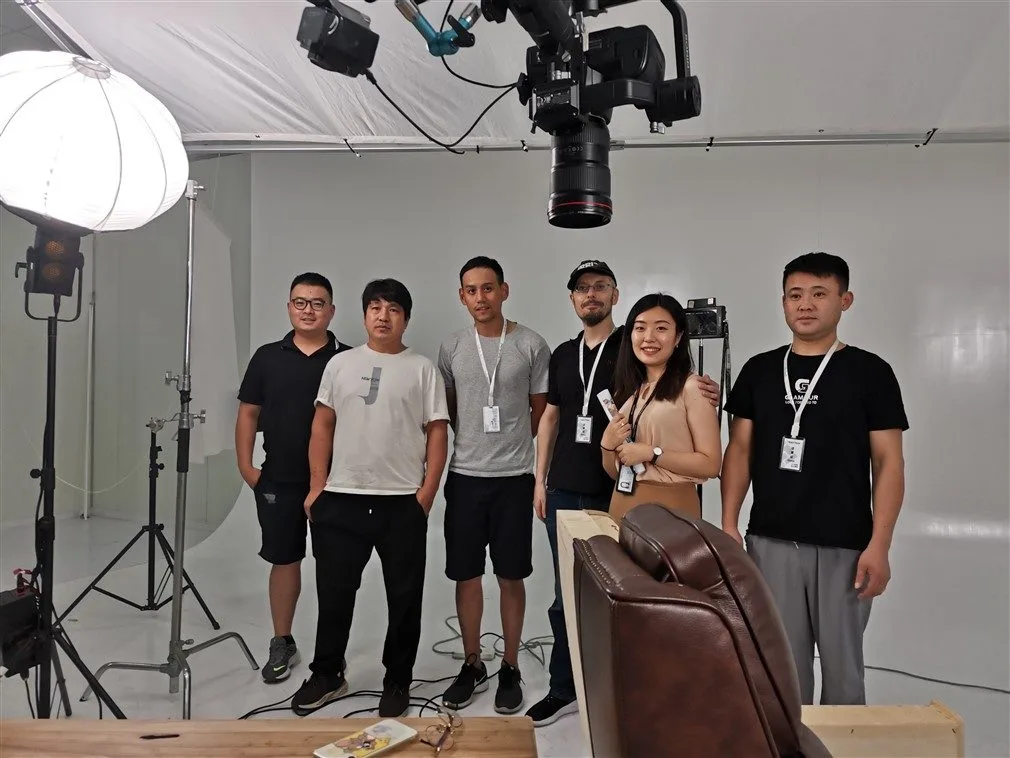
Production services in Manila is the local engine behind a shoot – a fixer who knows the city, crew sourcing, permits, locations, logistics and equipment, coordinated so a visiting team arrives to a working production rather than a to-do list. We run it as one accountable local partner.
What Manila Production Services Include
The package is end-to-end local support: a fixer and producer, crew and equipment sourcing, location scouting and securing, permit handling, transport and logistics, and on-the-day coordination. For a visiting production it is the difference between fighting the city and filming in it.
We scale from a one-line fixer brief to a full service company handling every department, depending on what the client wants to keep in-house.
Local Crew and the Fixer Network in Manila
Manila offers a large, English-capable crew and rental market with deep experience of American-format productions, which is the backbone of any production-services job – a fixer who can source a vetted DP, a sound recordist or a full department on short notice, and a producer who keeps them on schedule.
The fixer also carries the local relationships – venues, authorities, suppliers – that turn a permit from a form into an approval.
Most shoots here also book Manila Permits & Production Services.
Permits and Compliance in Manila
Commercial shoots need clearance from the local barangay and city hall, and the Film Development Council of the Philippines (FDCP) and Film Philippines support international productions. Drone use requires Civil Aviation Authority of the Philippines (CAAP) authorisation, and permit handling is where production services earn their fee. Filming in public, on private land or near sensitive sites each has its own process, and the fixer starts it early enough to protect the shoot date.
Insurance, releases and the other paperwork are managed as part of the engagement, so the visiting team arrives to a production that is cleared to roll.
If the brief widens, Manila Line Producer & Production Manager is the usual add-on in Manila.
Locations, Logistics and Movement in Manila
Ninoy Aquino (NAIA) is close to the centre but the roads are among the most congested in Asia, so schedule moves with long buffer and consider the new metro for crew transfers. The fixer plans location moves, get-in access, transport and the permit timeline so the day runs on the city’s reality, not a generic schedule.
The dry season (roughly November to May) is best; the wet season (June to October) brings monsoon rain and typhoon risk, especially from July to September, which affects exterior windows and how much contingency the call sheet needs – a production-services team plans for the weather before the crew feels it.
Equipment and Power on the Ground
60Hz mains means 30p or 60p is the safe default; at 24p keep the shutter at 1/60 or a 144-degree angle to avoid flicker from fluorescent and LED lighting. Mains in Manila are 220V / 60Hz, Type A, B and C sockets (American and Euro mixed), so any rented kit, generator or travelling power is matched to that before it ships, and the fixer confirms venue power and rigging rules during the scout.
Camera, lighting and sound are sourced against the brief from local houses, which keeps the truck small and the turnaround fast.
You will often pair this with Manila Translation & Interpretation on the same Manila schedule.
The Manila Looks Clients Want
The work that comes through Manila tends toward the Spanish walls of Intramuros and the baroque churches, the modern towers of Makati and Bonifacio Global City, the jeepney-choked avenues, the bay at Manila Bay and the markets of Quiapo and Divisoria, plus the green escapes of Rizal Park, and the fixer scopes locations and timings to deliver them – a rooftop at blue hour, a specific district’s texture, a controlled interior that reads as the brand.
Knowing which looks are achievable and which need a permit or a closed set is exactly the local knowledge production services exist to provide.
Budgeting and Quotes in Manila
Most production-services jobs are scoped from the brief – the deliverable, the dates and what the client wants to keep in-house. From that we return a transparent quote covering crew, kit, permits, locations and logistics, with the fixer’s fee stated separately so there are no surprises on the invoice.
Manila work scales from a one-line fixer brief to a full service company, and the quote reflects that: a small documentary unit costs a fraction of a multi-department commercial, and the plan is built to the budget rather than around it.
Frequently Asked Questions
What power and frame rate should I plan for in Manila?
60Hz mains means 30p or 60p is the safe default; at 24p keep the shutter at 1/60 or a 144-degree angle to avoid flicker from fluorescent and LED lighting. Mains here are 220V / 60Hz, Type A, B and C sockets (American and Euro mixed), so rented kit and generators are matched to that, and the frame rate is set to the delivery spec during prep.
Do Manila fixers and crews work in English?
Yes – most Manila fixers and crews are bilingual and used to international briefs, so the language is rarely the blocker on a shoot.
What is included in production services?
A fixer and producer, crew and equipment sourcing, locations, permits, transport and on-the-day coordination as standard. Tell us the scope and we build the support around it.
How do we engage production services in Manila?
Send the brief, the dates and what you want to keep in-house; we come back with a plan, a schedule and a quote, and we handle the local side so your team films, not fights.
Planning the Rest of the Shoot
For a fuller crew in Manila, Manila Drone Operator is the natural next call. See also Manila ARRI Camera Rental for the wider Manila production picture.
Tell us the dates, the locations and what the finished piece has to do, and we will come back with names and a clear quote. Reach the production desk at [email protected].