2026年8月14日
Kathmandu DIT | Digital Imaging Technician & On-Set Data
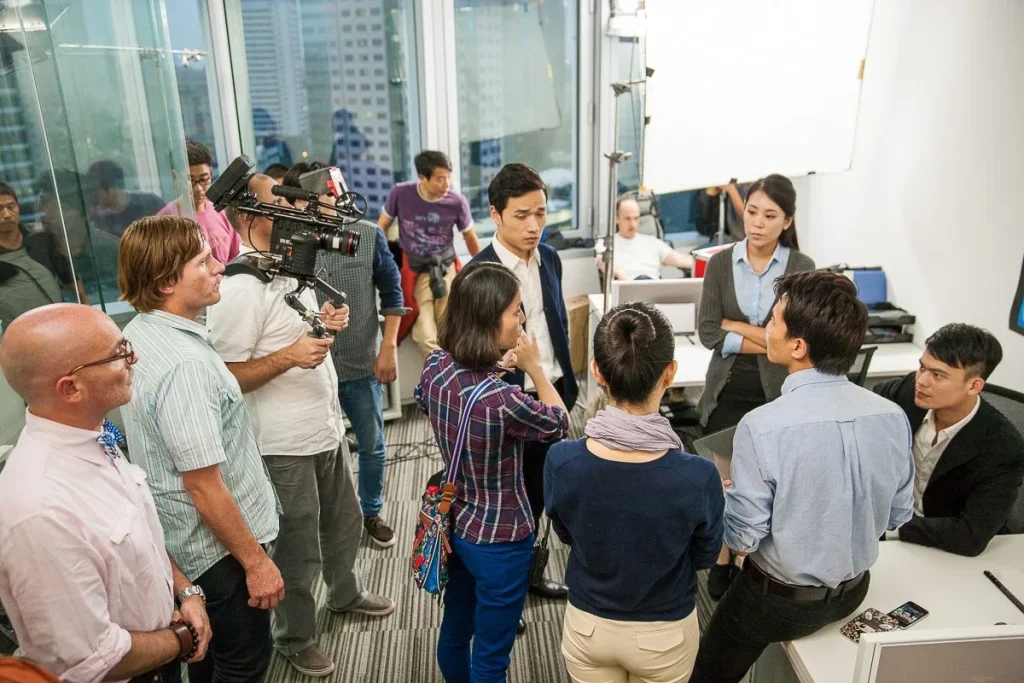
A DIT in Kathmandu owns the image from sensor to shuttle drive – managing color, offloading and verifying media, building dailies and keeping every frame in the correct pipeline. On any multi-camera, raw or same-day-turnaround job we recommend one, because the cost of a lost or mislabeled card is measured in reshoots.
What a Kathmandu DIT Actually Does
The DIT runs the on-set data and color workflow: they offload and verify every card, apply the show LUT, build dailies and keep a checksum’d backup so nothing is lost between set and post. On smaller shoots they may double as data wrangler; on larger ones they lead a DIT cart and a second assistant.
In Kathmandu that role also means knowing the local post houses and what deliverable specs they actually expect, which stops a format mismatch from surfacing at edit.
Color and On-Set Look Management in Kathmandu
The recurring Kathmandu asks are the stupas of Swayambhunath and Boudhanath, the Pashupatinath temples and the durbar squares, the Himalaya backdrop and the terraced valleys, and controlled brand looks built around spirituality and scale, and the DIT is who locks the look on the day. They load the grade, balance mixed sources, and flag any clip that drifts so the DP sees it on a calibrated monitor rather than in the grade weeks later.
For commercial and brand work a managed on-set look is the difference between a smooth grade and a painful one, so the DIT sits next to the camera department, not in a separate tent.
See also Kathmandu Film Fixer for the wider Kathmandu production picture.
Media, Data Wrangling and Dailies
Card offload, verification and a second physical backup are the non-negotiable core of the job. The DIT names and logs every roll, generates dailies to the production’s spec and hands post a clean, checksum’d package at the end of the day.
On multi-camera or raw shoots the media plan grows fast, so the DIT sizes drives and offload stations to the data rate before the shoot, not after the first overflow.
You will often pair this with Kathmandu Permits & Production Services on the same Kathmandu schedule.
Power and On-Set Infrastructure
Nepal runs on 230V 50Hz, so 25p is the clean default; 24p can shimmer under tube lighting, so test on a grey card before the shoot. A DIT cart wants clean, stable power and a place to keep drives cool, so on location the mains situation – 230V at 50Hz, Type C, D and M sockets here – shapes where the cart sits and how many UPS units travel with it.
Bring enough drive capacity and a spare offload station; a single point of failure on a same-day-turnaround job is the thing every DIT plans around.
Pairing a DIT With the Crew in Kathmandu
Kathmandu offers a small but growing freelance crew and fixer scene geared to documentary and adventure work, with a bilingual talent pool, so a DIT slots into a camera department or a post-led workflow without friction given reasonable notice. Bring the DIT in at prep so the LUT and the media plan are agreed before the first setup.
If the job is raw or multi-cam, add a data-wrangler second; the DIT scopes the cart and the backup plan during the tech scout.
Most shoots here also book Kathmandu Camera Crew.
Scheduling and Logistics in Kathmandu
Kathmandu sits in a valley with dense, congestion-prone roads and an airport that is weather-sensitive, so location moves need generous buffer. A DIT cart is bulky and power-hungry, so delivery windows, get-in access and a safe place to park the cart are worth confirming with the venue before the truck is booked.
The clearest Himalaya views come in the post-monsoon months of October and November and the pre-monsoon spring of March to May; winters are cold and clear, and the June to August monsoon brings heavy rain, which affects how much contingency the data plan needs – heat and humidity are hard on drives, so the backup routine tightens with the weather.
Frequently Asked Questions
What power and frame rate should I plan for in Kathmandu?
Nepal runs on 230V 50Hz, so 25p is the clean default; 24p can shimmer under tube lighting, so test on a grey card before the shoot. A DIT cart runs on stable power; mains here are 230V at 50Hz, Type C, D and M sockets, so UPS units and adaptors are matched to that before delivery, and drives are kept cool and backed up on site.
Do you provide a DIT cart and on-set color setup?
Yes – a standard DIT package is the cart, a calibrated monitor, offload stations and drive backups, plus the show LUT loaded and ready. Tell us the camera and the deliverable and we size the cart to it.
Can the DIT work with my own post house in Kathmandu?
Yes – the DIT’s job is to hand post a clean, correctly-named, checksum’d package, so sharing the spec and the LUT before the shoot keeps the handoff smooth.
Do Kathmandu crews work in English?
Yes – Kathmandu crews and post houses work in English as well as the local language, so international briefs move without a language gap.
Related Services in Kathmandu
If the brief widens, Kathmandu Gaffer is the usual add-on in Kathmandu. For a fuller crew in Kathmandu, Kathmandu Production Services is the natural next call.
If you have dates in mind, send them over with a sense of the deliverable and we will put a crew and a quote in front of you. Reach the production desk at [email protected].