2026年8月16日
Tokyo Technocrane Rental | Hire Telescopic Crane Arm
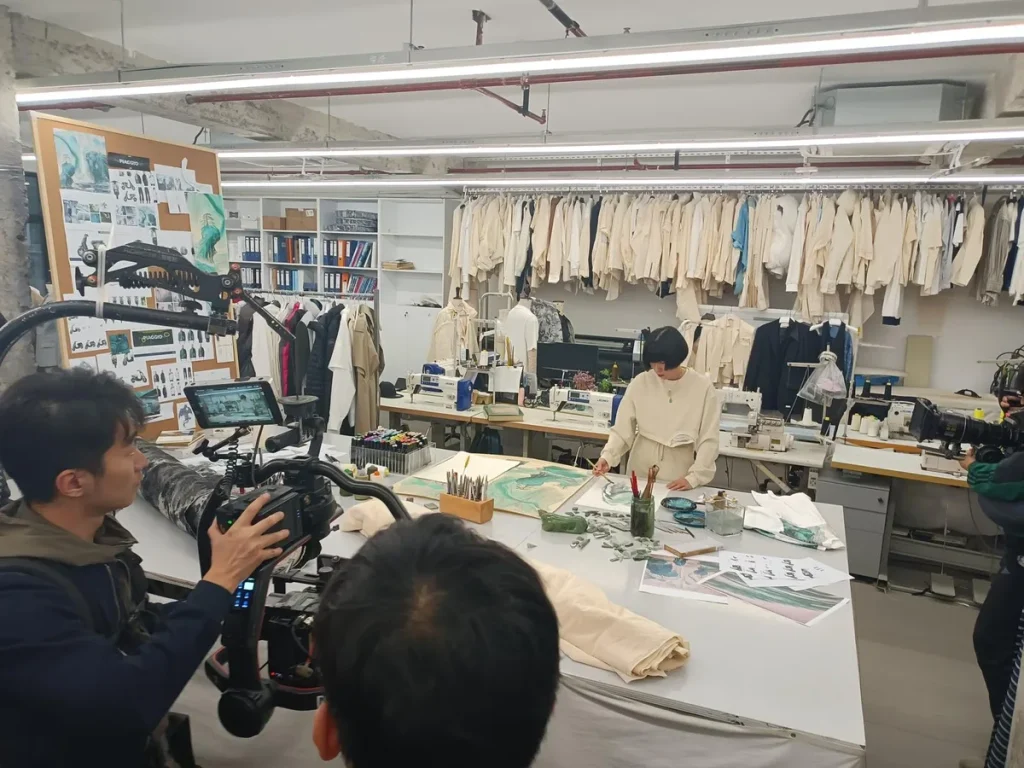
A Technocrane is the telescopic crane arm that extends and retracts for sweeping, repeatable moves in Tokyo – lengths from 15 to 50 feet with a Scorpio head on top. We rent the Technocrane (15 / 30 / 50) with its base and a technician who can program the move.
What You Get in a Tokyo Technocrane Rental
A Technocrane rental in Tokyo is a telescopic camera crane – an arm that extends and retracts (15, 30 or 50 foot versions) for those long, smooth pushes and pulls a fixed jib cannot reach. We supply the Technocrane with its base and dolly wheel, a Scorpio head on top, and the technician who drives it, or the arm alone when you bring your own head. One arm, full extension, a move that fills the frame.
For most Tokyo builds the Technocrane is the arm that opens a scene – the hero push a dolly on track cannot stretch to.
The Models Clients Ask For
The Technocrane 15, 30 and 50 are the lengths crews recognise; the Scorpio variant adds the integrated telescopic arm and remote head in one system. We match the length to the move – a 15 for interiors, a 50 for the wide exterior hero. When the brief names a brand we bring it; when it says “伸缩炮” we bring the Technocrane-class telescopic arm the Tokyo market already runs.
A mixed kit also covers a second reach, which is why agencies book the arm and the technician together.
For a fuller kit in Tokyo, Dolly Rental is the natural next step.
How Technocranes Are Used on Tokyo Sets
Recurring Tokyo requests are Shibuya and Shinjuku at night, Ginza’s retail frontage, Asakusa and Senso-ji, the Sumida riverfront, Toyosu market, Odaiba’s waterfront and the quieter residential streets of Setagaya and Yanaka. A Technocrane is the reach behind them – a rooftop reveal, a crowd pull-back, a product hero move. Road use for anything beyond a handheld camera goes through the local police station, individual wards handle parks and public spaces, and private property is strict about written consent. Shibuya Crossing in particular is far harder to shoot legitimately than its footage suggests, and any crane or rooftop rig in Tokyo escalates the permit and rigging conversation – worth raising early. Because the arm telescopes, it also saves floor space versus a long fixed jib, which is why Tokyo studios like it for tight stages.
The arm also earns its keep on repeatable moves, which VFX teams like as much as the reach.
You will often pair this with Camera Car Rental on the same Tokyo schedule.
Surfaces and Safety on Tokyo Locations
Mains in Tokyo run at 100V / 50Hz in the Kanto region — the lowest mains voltage of any major production city, so power draw needs checking before you land; a Technocrane draws power for its motors and the head, so we plan distribution to the base. Eastern Japan runs at 50Hz, so 25p or 50p is safest; if the schedule moves west to Osaka the grid switches to 60Hz and the flicker maths changes with it. The arm is powerful but long, so we weight the base, keep the arc clear of people and lock the extension when not moving on a Tokyo location. We confirm the floor grade and the overhead clearance before delivery.
On stages we confirm the base wheels and the rigging points before the arm rolls on.
Pairing Technocranes With a Crew in Tokyo
Tokyo offers a highly professional crew market where scheduling is precise and bilingual coordination is the main bottleneck, so a Technocrane operator and a remote-head technician to drive and program the arm are easy to arrange. A good operator owns the arc and the speed, which is what keeps the move smooth through the day. For a larger build, add a crane tech and a VFX supervisor; the arm multiplies its value once the move is logged.
For a fuller kit in Tokyo, a Scorpio head is the natural pairing.
Most shoots here also book Steadicam Rental.
Delivery and Support in Tokyo
Haneda is far closer to the centre than Narita; the rail network is excellent but moving heavy kit by train is impractical at peak times. The arm, base and head are delivered to set, studio or hotel in Tokyo, and an operator-technician can be added for prep, the shoot day or both.
Late October to early December, and late March to April for blossom. The rainy season lands in June and typhoons cluster in August and September, which affects exterior scheduling and how the wind holds a long arm – plan get-in times around it.
Care and Counting in Tokyo
As with any precision rental, a production insurance certificate and a deposit are standard for a Technocrane rental in Tokyo; most visiting productions arrange the paperwork through a local partner. The telescoping sections and encoders are robust but the cables and the base wheels are the parts that wear, so they are checked on return.
Build a two-minute extend-and-retract check into prep – a sticking section is the difference between a smooth move and a jerky one.
Frequently Asked Questions
What is included in a Technocrane rental in Tokyo?
The arm (15 / 30 / 50 ft) with its base and dolly wheel, a Scorpio head on top, or the arm alone when you bring your own head. Tell us the reach and we size the length.
Can you hire a Technocrane with an operator in Tokyo?
Yes – a Technocrane operator and a remote-head technician are the standard pairing, and we recommend both for programmed or repeatable moves.
What power should I plan for in Tokyo?
Mains here are 100V / 50Hz in the Kanto region — the lowest mains voltage of any major production city, so power draw needs checking before you land; the arm and head draw power, so we plan distribution to the base. Eastern Japan runs at 50Hz, so 25p or 50p is safest; if the schedule moves west to Osaka the grid switches to 60Hz and the flicker maths changes with it
Do Tokyo rental houses work in English?
Yes – Tokyo crews and rental houses work in English as well as the local language.
Tell us the dates, the locations and what the finished film needs to do, and we will come back with names and a clear quote. Contact the production office at [email protected].