2026年8月16日
Tokyo Flag Rental | Hire Solid Floppy Net Diffusion
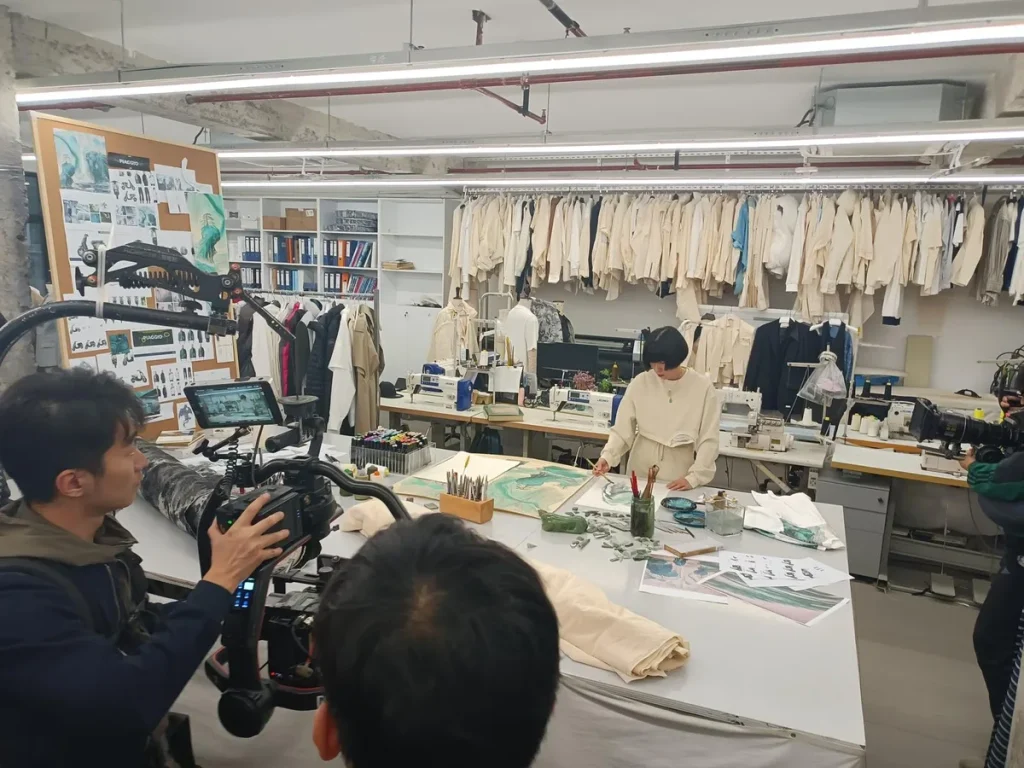
A flag is the fabric that shapes light on Tokyo sets – black solids and floppies that kill spill, nets that drop a key, diffusion that softens a hard source. We rent the Matthews solids, floppies, cutters and nets on Avenger frames, and we can add a grip who angles them.
What You Get in a Tokyo Flag Rental
A flag rental in Tokyo is the fabric that shapes light – the black solids and floppies that kill spill, the nets (silk / ultra bounce) that drop a key, and the diffusion (grid cloth / bleached muslin) that softens a hard source. We supply the Matthews 48″ x 48″ solid, the 24″ x 36″ floppy, the 18″ x 24″ single, the 12″ x 18″ cutter, plus French flags for the lens, on Avenger frames. We kit them as a grip textile set so a Tokyo set can shape any source on hand.
For most Tokyo shoots the flag is what turns a flat light into a shaped one – the difference between “lit” and “lit well”.
The Types Clients Ask For
The Matthews solids and floppies are the everyday cutters; the 48″ x 48″ and the 24″ x 36″ floppy cover most frames, the 18″ x 24″ and 12″ x 18″ handle tight negatives. Nets (silk / ultra bounce) and diffusion (grid cloth) ride the same frames. The French flag clamps to the matte box for lens shading. When the brief names a brand we bring Matthews or Avenger; when it says “flag” we bring the standard textile kit the Tokyo market already runs.
A mixed set also covers product and tabletop, which is why grip departments kit flags by the frame, not the stand.
Most shoots here also book Apple Box Rental.
How Flags Are Used on Tokyo Sets
Recurring Tokyo requests are Shibuya and Shinjuku at night, Ginza’s retail frontage, Asakusa and Senso-ji, the Sumida riverfront, Toyosu market, Odaiba’s waterfront and the quieter residential streets of Setagaya and Yanaka. A flag is the quiet shaper behind them – a black flag knocks the window, a net drops the key, a silk tames the sun. Road use for anything beyond a handheld camera goes through the local police station, individual wards handle parks and public spaces, and private property is strict about written consent. Shibuya Crossing in particular is far harder to shoot legitimately than its footage suggests, and any flag on a pavement or plaza in Tokyo escalates the permit conversation – worth raising before the truck is booked.
Because they are light and arm-mounted, flags also travel on C-stands and combos, which is why a Tokyo location kit always carries more than the light count suggests.
For a fuller kit in Tokyo, Combo Stand Rental is the natural next step.
Surfaces and Safety on Tokyo Locations
Mains in Tokyo run at 100V / 50Hz in the Kanto region — the lowest mains voltage of any major production city, so power draw needs checking before you land; flags need no power, but they sit on arms over people, so we weight and angle them with care. Eastern Japan runs at 50Hz, so 25p or 50p is safest; if the schedule moves west to Osaka the grid switches to 60Hz and the flicker maths changes with it. An unbagged arm with a big floppy is the classic tip hazard, so we secure every flagged stand on a Tokyo location before the first frame.
On stages we confirm the frame size before delivery so the textiles drop straight onto the right stand.
Pairing Flags With a Crew in Tokyo
Tokyo offers a highly professional crew market where scheduling is precise and bilingual coordination is the main bottleneck, so a grip or a lighting technician to position and re-shape the flags is easy to arrange given reasonable notice. A good grip owns the angles, which keeps the spill where it belongs through the day.
For a larger build, add a key grip and a best boy; the flags multiply fast once you start shaping a room.
If the brief widens, C-Stand Rental is the usual add-on in Tokyo.
Delivery and Support in Tokyo
Haneda is far closer to the centre than Narita; the rail network is excellent but moving heavy kit by train is impractical at peak times. Frames and textiles are delivered to set, hotel or studio in Tokyo, and a grip or lighting technician can be added for prep, the shoot day or both.
Late October to early December, and late March to April for blossom. The rainy season lands in June and typhoons cluster in August and September, which affects exterior scheduling and how many flags a wind plan needs – plan get-in times around it.
Care and Counting in Tokyo
As with any grip rental, a production insurance certificate and a deposit are standard for a flag rental in Tokyo; most visiting productions arrange the paperwork through a local partner. The frames are robust but the fabric tears, so textiles are checked on return.
Build a two-minute count into wrap – a missing floppy is the easiest flag to lose on a busy Tokyo day.
Frequently Asked Questions
What is included in a flag rental in Tokyo?
Matthews solids, floppies, singles and cutters (48″x48″ down to 12″x18″), nets and diffusion on Avenger frames, plus French flags. Tell us the sources and we kit the set.
Can you hire flags with a grip in Tokyo?
Yes – a grip or lighting technician pairs well with a flag kit for shaping and re-positioning through the day, and we recommend it for fast schedules.
What power should I plan for in Tokyo?
Mains here are 100V / 50Hz in the Kanto region — the lowest mains voltage of any major production city, so power draw needs checking before you land; flags need no power. Eastern Japan runs at 50Hz, so 25p or 50p is safest; if the schedule moves west to Osaka the grid switches to 60Hz and the flicker maths changes with it – we just keep them weighted on the arm.
Do Tokyo rental houses work in English?
Yes – Tokyo crews and rental houses work in English as well as the local language.
Tell us the dates, the locations and what the finished film needs to do, and we will come back with names and a clear quote. Contact the production office at [email protected].