2026年8月11日
Hong Kong Drone Operator | Aerial Filming & Cinematography
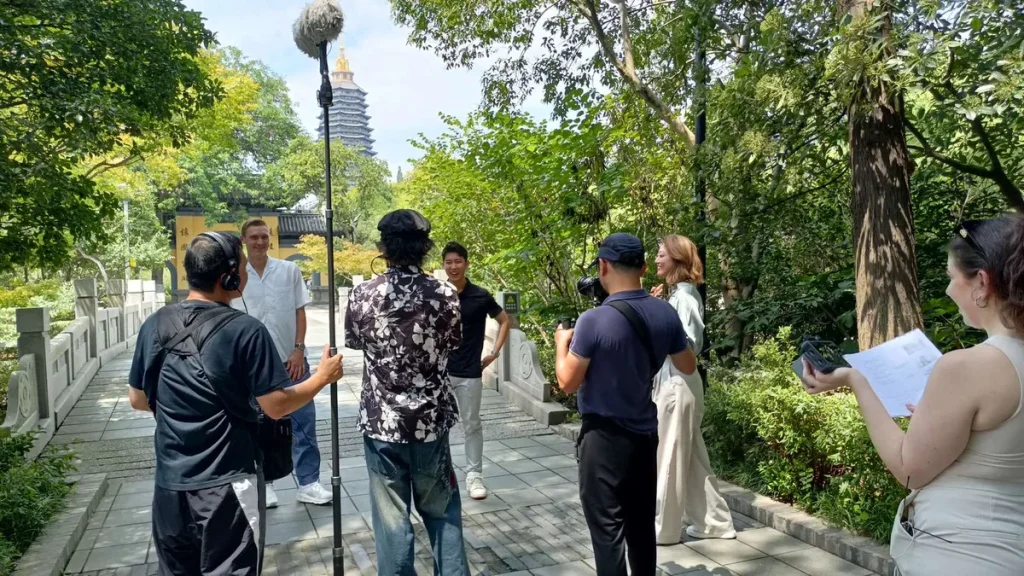
A drone operator in Hong Kong adds the aerial perspective that grounds a story – establishing shots, movement through a skyline, and coverage no crane or jib can reach. We pair a licensed pilot with a cinema drone and a trained camera op, and we handle the airspace and permit side so the flight is legal and insured.
What a Hong Kong Drone Operator Brings
The drone operator combines a licensed pilot and a camera operator into one aerial unit – they plan the shot, fly it safely and frame it like a cinematographer, not just a remote driver. For most jobs that means a pre-flight recce, a flight plan and a backup weather window.
In Hong Kong the value is the establishing perspective: a city reveals itself from above in a way no ground rig can sell, and that single shot often carries the open of a film.
Where You Can Actually Fly in Hong Kong
Hong Kong’s civil aviation department is strict: Victoria Harbour and the airport corridors are heavily restricted, so legal aerials are scoped to permitted zones and vantages from the start, with a licensed pilot and registered aircraft.
If the brief widens, Hong Kong Film Fixer is the usual add-on in Hong Kong.
Aircraft, Sensors and Lenses
A standard aerial cinema package is a stabilized drone with a gimballed cinema camera or a high-end compact, a set of ND filters, extra flight batteries and a ground monitor for the director. Build it up with a longer lens or a zoom for tighter, more cinematic moves.
Most Hong Kong jobs finish in a Rec.709 or graded pipeline, and we shoot to the delivery spec so the aerial plates cut cleanly against the ground footage.
Most shoots here also book Hong Kong Permits & Production Services.
Airspace, Permits and No-Fly Zones in Hong Kong
Hong Kong is one of the more workable permit environments in Asia. Government land is coordinated through the Film Services Office, while malls, MTR property and private buildings each run their own approvals. English is used throughout the process, and for aerial work that permit conversation starts with the civil aviation authority – airports, dense urban cores, government districts and crowd gatherings are typically restricted or no-fly. We map the legal flight zones before we quote, not on the morning of the shoot.
A licensed pilot, registered aircraft and liability cover are standard; flying without them is not something we do, and most venues in Hong Kong now ask for the paperwork up front.
The Signature Hong Kong Aerials
The harbour skyline from a permitted vantage is the prize shot, needing a calm-wind window and a cleared flight path the pilot plans around.
You will often pair this with Hong Kong Video Crew on the same Hong Kong schedule.
Pairing the Drone With the Ground Crew in Hong Kong
Hong Kong offers a mature, English-fluent crew market used to international standards, so the drone usually flies as part of a larger unit – a camera team on the ground, a DIT pulling plates, and the pilot coordinating with the first AD on timing and safety.
Brief the drone early in the shot list; aerial moves are weather- and light-dependent, so they often get scheduled into the golden windows the ground team can’t use.
Light, Weather and Scheduling in Hong Kong
The recurring Hong Kong asks are Victoria Harbour and the Kowloon promenade, Central’s vertical density, Sheung Wan’s older shopfronts, Mong Kok street markets, the Peak, and the green coastline around Sai Kung and Lantau, and drone work lives in the golden hour and blue hour when the light is flat and the wind is down. Late October to December is the cleanest window. Typhoon season runs roughly May to November and can cost you a shoot day at short notice, which narrows the flyable windows and pushes aerials to the start or end of the day.
A single major airport with excellent connections, compact geography and fast rail links into Shenzhen and Guangzhou – and a grounded drone is a wasted call sheet, so we build a weather contingency into every aerial shoot.
Data, Power and Deliverables
50Hz mains means 25p or 50p is the safe default; at 24p keep the shutter at 1/50 or a 172.8° angle to stay clear of flicker. Flight batteries are the constraint, not the camera – plan multiple charged packs per sortie and a charger on the cart. Mains in Hong Kong are 220V / 50Hz, Type G (UK three-pin) sockets, so charging kit is matched to that between flights.
Footage is offloaded and backed up on site like any other media, and we deliver graded or raw plates to the post spec so the aerials integrate without a reshoot.
Frequently Asked Questions
Where can you legally fly a drone in Hong Kong?
We plan every flight against the civil aviation department’s rules – the harbour and airport corridors are no-fly, so legal zones are mapped before we quote and a licensed pilot and registered aircraft are always part of the package.
Where can you legally fly a drone in Hong Kong?
We plan every flight against the civil aviation authority’s rules – airports, dense urban cores, government districts and crowds are typically restricted or no-fly, so the legal zones are mapped before we quote, and a licensed pilot and registered aircraft are always part of the package.
Can you shoot an English-speaking aerial production in Hong Kong?
Yes – Hong Kong drone pilots and ground crews work in English as well as Cantonese.
Do Hong Kong drone pilots and ground crews work in English?
Yes – most Hong Kong drone pilots and ground crews are bilingual and used to international briefs, so the language is rarely the blocker on an aerial shoot.
Related Services in Hong Kong
For a fuller crew in Hong Kong, Hong Kong Production Services is the natural next call. See also Hong Kong Video Production for the wider Hong Kong production picture.
If you have dates in mind, send them over with a sense of the deliverable and we will put a crew and a quote in front of you. Reach the production desk at [email protected].