2026年8月11日
Delhi Photographer | Commercial & Editorial Photography
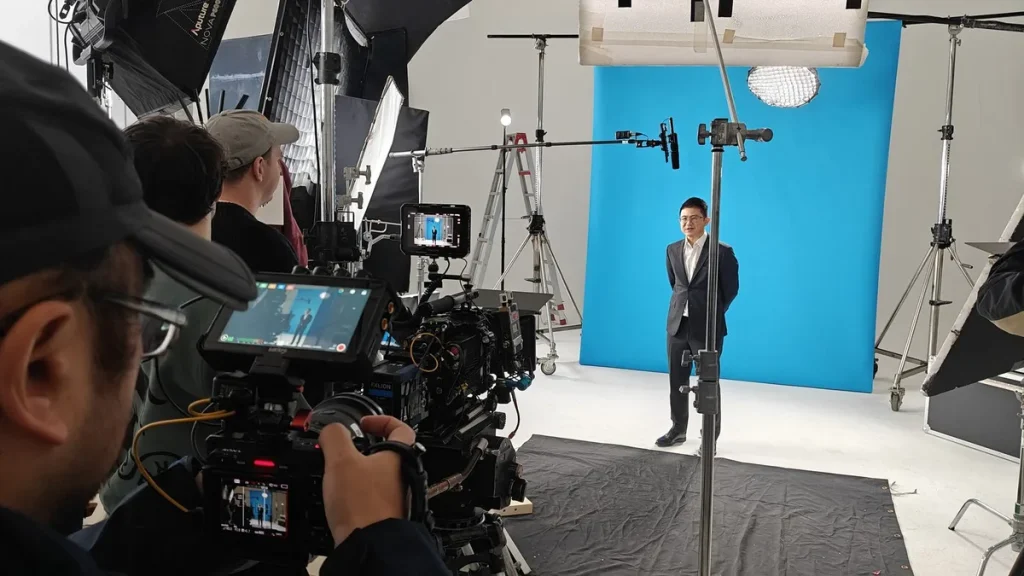
A photographer in Delhi covers the stills side of a production – portraits, product, architecture, food, fashion and event coverage. For visiting brands and agencies we supply a shooter who knows the city’s locations, light and permit process, so the brief lands without a local scout attached to every call sheet.
What a Delhi Photographer Brings to the Brief
A photographer in Delhi handles the stills: the hero product shot, the CEO portrait, the hotel suite, the dish, the runway frame or the factory floor. The good ones read a brief fast and turn it into a shot list, a lighting plan and a call sheet that respects the location and the clock.
For international clients the value is local knowledge as much as the lens – knowing which rooftop is open, what the light does at 5pm, and how to move a kit through Delhi without losing the golden hour.
Red Stone, Broad Avenues and Old Lanes
Delhi’s briefs run from the red sandstone of the Red Fort and Humayun’s Tomb to the colonnades of Connaught Place and the cramped lanes of Chandni Chowk, with Lutyens’ broad avenues for clean corporate exteriors. A photographer uses the cool, dry November-to-February window, when winter’s still air also records cleanly.
See also Delhi Film Fixer for the wider Delhi production picture.
Power, Charging and Studio Realities in Delhi
Mains in Delhi run at 230V / 50Hz, Type D, M and C sockets (round pins, so adaptors are essential). That sets your charging plan for speedlights, LED panels and tethered capture, and decides whether you need travel adaptors or local power distro on a bigger build.
Even on a stills job, venues lit with LED or fluorescent can flicker under the wrong shutter if you also grab motion – 50Hz mains means 25p or 50p is the safe default; at 24p keep the shutter at 1/50 or a 172.8-degree angle to avoid flicker, and watch for voltage fluctuation, which is common. Knowing it before the shoot saves a reshoot.
If the brief widens, Delhi Permits & Production Services is the usual add-on in Delhi.
Light and Protected Monuments
The wide Lutyens’ avenues and the many hotels and studios are well treated, so interior and product work stays clean despite the city’s honking roads. Protected monuments need their own approval, so a fixer lines up the shoot permit before the photographer arrives.
The Delhi Looks Clients Brief
The recurring Delhi requests are the red sandstone of the Red Fort and Humayun’s Tomb, the Qutub Minar, the colonnades of Connaught Place, the cramped lanes of Old Delhi and Chandni Chowk, the broad avenues of Lutyens’ Delhi and the diplomatic enclaves. Architecture and interiors want clean verticals and balanced window light; food and product want controlled speculars; lifestyle and portraiture want the city’s actual texture, not a generic studio.
A shoot that spills onto a public pavement or plaza in Delhi usually opens a permit conversation worth starting during prep, so access is scoped before the call sheet locks.
You will often pair this with Delhi Camera Crew on the same Delhi schedule.
Permits and Location Access in Delhi
India films under state rules; Delhi’s film cell and the Delhi Tourism and Transportation Development Corporation (DTTDC) help coordinate, but public-space and monument shoots still need police and ASI (Archaeological Survey of India) clearance, and protected monuments their own approval. Drone flights need DGCA approval. A photographer moving through multiple locations in a day needs the permissions lined up in advance, not negotiated on the curb – it is the difference between a smooth call sheet and a cancelled setup.
For interiors – hotels, malls, transit – the property’s own approval often matters more than the city permit, so confirm both.
Scheduling Around Delhi’s Conditions
Indira Gandhi International (DEL) is central and well connected; the city is vast and the roads are heavily used, so location moves need generous buffer and often early starts. The cool, dry window from November to February is by far the most reliable; pre-monsoon heat builds March to May and the monsoon (June to September) brings heavy rain, which shapes exterior scheduling and how much weather contingency the plan needs.
Build in a realistic get-in and a kit-check window; a ten-minute frame-rate and card test on arrival prevents the ruined first setup that eats the rest of the day.
Frequently Asked Questions
What kit and backup does a Delhi photography day include?
A body, a lens set, portable LED and speedlights, dual-card capture and a backup drive; sockets are Type D, M and C so round-pin adaptors are essential.
Do Delhi photographers work in English?
Yes – Delhi photographers and studios work in English as well as the local language, so international briefs move without a language gap.
Can a Delhi photographer shoot to a brand guideline?
Yes – the mood board sets the plan and selects are delivered against the reference for heritage, corporate and lifestyle looks.
What is typically included in a photography day rate?
A shooter, a standard kit (body, lenses, lighting) and a first edit or select set. Assistants, specific strobes, locations and usage rights are scoped separately – send the brief and we break it down.
What Else You May Need in Delhi
For a fuller crew in Delhi, Delhi DIT is the natural next call. Most shoots here also book Delhi Gaffer.
Tell us the dates, the locations and what the finished piece has to do, and we will come back with names and a clear quote. Reach the production desk at [email protected].