2026年8月12日
Kyoto Video Production | Corporate, Commercial & Brand Films
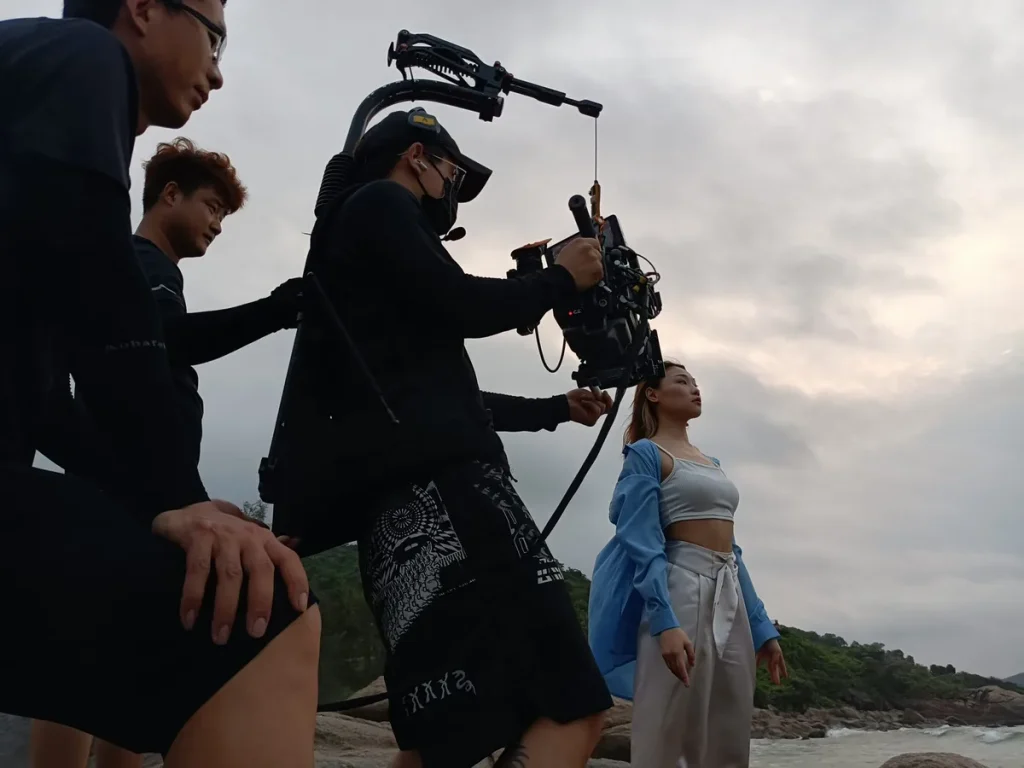
Video production in Kyoto covers the full arc – concept and script, crew and kit, shoot, and post – for corporate, commercial and brand films. We run it as one managed job: a local producer, vetted crew and the right equipment, with permits and logistics handled so the client gets a finished film, not a pile of problems.
What Kyoto Video Production Covers
From a two-minute corporate explainer to a multi-day commercial, video production in Kyoto means one accountable team across development, pre-production, the shoot and post. The producer owns the schedule and the budget; the crew owns the execution.
For international clients the appeal is a single point of contact who speaks the brief and the local reality – location, permits, crew and weather – in the same conversation.
The Kyoto Looks Clients Brief
The recurring Kyoto requests are the vermilion gates of Fushimi Inari and the wooden machiya of Gion, the wooden terraces of Kiyomizu-dera, the bamboo groves of Arashiyama, the cherry avenues of the Philosopher’s Path and the Zen gardens of Ryoan-ji, plus the modernist stations and department stores that frame the old town. Corporate wants clean, confident frames; commercial wants the city’s texture sold as aspiration; brand films want a controlled, repeatable look across every setup.
The production plan is built around those looks – locations, times of day and the kit that delivers them without surprises in the grade.
Most shoots here also book Kyoto Film Fixer.
Crew, Equipment and Workflow in Kyoto
Kyoto offers a strong domestic crew and rental market with experienced bilingual crews used to period and brand work, so scaling a crew from a two-person interview unit to a full commercial department is straightforward given reasonable notice. Camera, lighting and sound are sourced against the brief, not a shelf.
Post runs from edit and grade to sound and delivery, and we set the workflow – codecs, color and file handoff – before the shoot so post is a continuation, not a recovery.
If the brief widens, Kyoto Permits & Production Services is the usual add-on in Kyoto.
Power, Frame Rate and Delivery
60Hz mains means 30p or 60p is the safe default; at 24p keep the shutter at 1/60 or a 144-degree angle to avoid flicker from fluorescent and LED lighting. Mains in Kyoto are 100V / 60Hz (western Japan runs 60Hz), Type A and Type B sockets, so chargers, travelling kit and any generator are matched to that before they ship, and the frame rate is locked to the delivery spec to avoid flicker and mismatched plates.
Tell us the final platform – broadcast, web or social – and we set the recording format and the aspect ratios accordingly, often delivering multiple cuts from one shoot.
Logistics and Locations in Kyoto
Kyoto sits 30 to 45 minutes from Kansai International (KIX) and about 2 hours from Tokyo by shinkansen; the city is flat and walkable, with a dense bus and subway network, though festival days close central streets. Location moves, get-in access and the permit timeline shape the schedule more than the shot list does, so the producer plans the day around them.
Spring (late March to April) and autumn (November) are the signature windows for cherry and maple; summer is hot and humid, winter is cold with occasional snow and crisp clear light, which affects exterior scheduling and how much contingency the call sheet needs – a wet or hot day in Kyoto is planned for, not discovered.
For a fuller crew in Kyoto, Kyoto Line Producer & Production Manager is the natural next call.
Permits and Compliance in Kyoto
Public-space filming needs permission from the ward office and the property or temple authority; the Kyoto Film Commission assists with locations and permits, and major temples and shrines set their own terms. Drone work requires Civil Aviation Bureau (JCAB) approval, and for a managed production that is the producer’s job to clear before the crew arrives. Filming in public, on private property or near sensitive sites each carries its own process, and starting early is what keeps a shoot on date.
Insurance and release paperwork are part of the standard package, so the client signs off on a production that is legal end to end.
Frequently Asked Questions
What power and frame rate should I plan for in Kyoto?
60Hz mains means 30p or 60p is the safe default; at 24p keep the shutter at 1/60 or a 144-degree angle to avoid flicker from fluorescent and LED lighting. Mains here are 100V / 60Hz (western Japan runs 60Hz), Type A and Type B sockets, so chargers and travelling kit are matched to that, and the frame rate is locked to the delivery spec before the shoot.
Do Kyoto crews and production teams work in English?
Yes – most Kyoto crews are bilingual and used to international briefs, so the language is rarely the blocker on a shoot.
What is included in a video production package?
A local producer, vetted crew, camera/lighting/sound kit, post (edit, grade, sound) and permit handling as standard. Tell us the brief and we scope crew and kit to it.
How do we start a Kyoto video production?
Share the brief, the deliverable and the date; we come back with a treatment, a schedule and a quote, and we manage permits and logistics from there so you get a finished film.
What Else You May Need in Kyoto
See also Kyoto Drone Operator for the wider Kyoto production picture. You will often pair this with Kyoto ARRI Camera Rental on the same Kyoto schedule.
Tell us the dates, the locations and what the finished piece has to do, and we will come back with names and a clear quote. Reach the production desk at [email protected].