2026年8月10日
Tokyo Camera Rental | Cinema Camera & Lens Hire
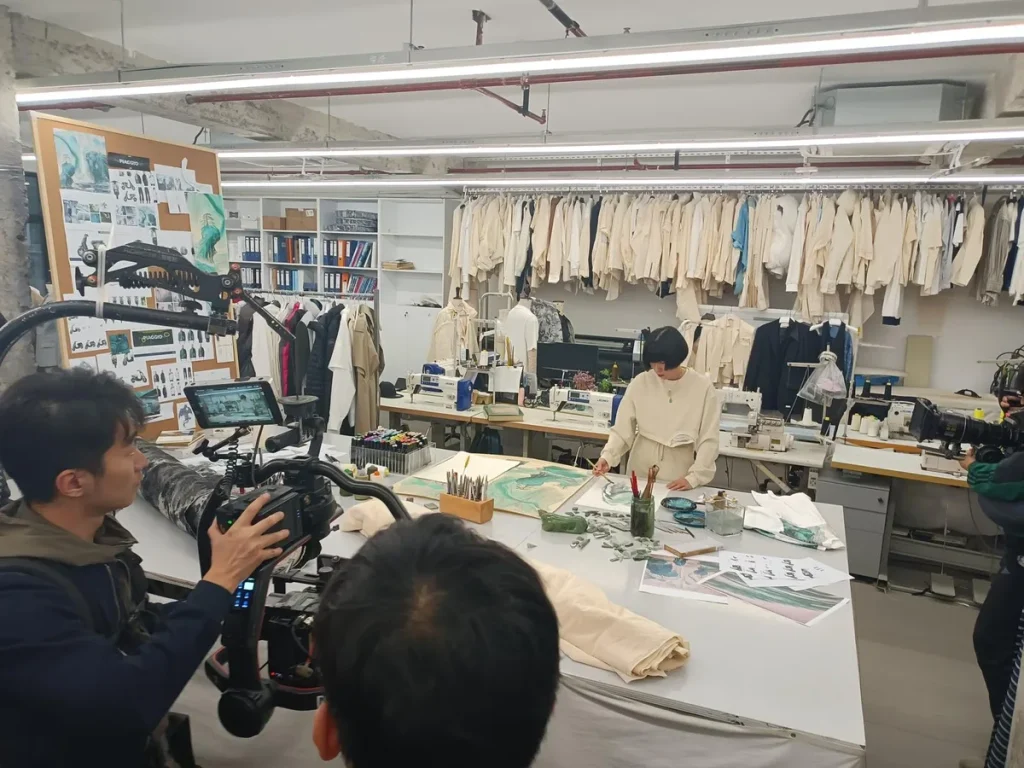
Camera rental in Tokyo covers everything from a single body for a one-day interview to a full cinema package with prime sets, support and a technician. We arrange kit for visiting productions and local crews, handle delivery to set, and make sure what turns up matches the order — including the accessories that are easy to forget until the camera is already on the tripod.
Camera Packages Available in Tokyo
The mainstream families are all rentable locally: ARRI Alexa bodies for commercial and drama work, Sony Cinema Line and FX-series bodies for documentary and corporate, RED for productions committed to that workflow, and Canon cinema bodies where a familiar colour science matters to the client. Compact mirrorless packages remain the sensible choice for travel units and small crews.
Rather than pushing the largest available package, we ask what the deliverable is. A broadcast documentary and a brand film with a cinema finish need genuinely different orders, and paying for a body the edit will never exploit is money better spent on lenses or a second operator.
Check the Voltage Before You Book Anything
The first question on a Tokyo equipment order is electrical. Japan runs 100V mains — 50Hz in Tokyo and the east, 60Hz in Osaka and the west — materially lower than almost anywhere a visiting production will have come from. Locally sourced fixtures and chargers are built for it and are much the simplest option. Equipment arriving from a 220–240V market needs a transformer sized properly for the load, and battery chargers in particular should be checked rather than assumed: a charger that runs slowly or not at all will quietly dismantle a multi-day schedule.
See also Tokyo Permits & Production Services for the wider Tokyo production picture.
Lenses, Support and Accessories
Zoom sets cover most corporate and event work and keep the day moving. Prime sets are worth the extra handling time when the look matters, and anamorphic is available but needs deciding early because it changes framing and lighting levels.
The parts of an order that most often get missed are the practical ones: enough media for the shooting ratio, batteries and a charging plan for a long day, a monitor the client can actually see in daylight, matte box and filtration, follow focus, and a fluid head genuinely rated for the weight on it.
If the brief widens, Tokyo Camera Crew is the usual add-on in Tokyo.
A Deep Market with Formal Processes
Tokyo has an excellent professional rental base — current cinema camera systems, extensive lens options, full lighting and grip support. What visiting producers should plan for is that the process is more formal than in some neighbouring markets. Paperwork, insurance documentation and confirmed timings are expected, and collection and return windows are treated as fixed rather than approximate. Build that into the schedule and Tokyo becomes one of the most reliable places in Asia to equip a shoot.
Delivery, Prep and On-Set Support
Kit can be collected or delivered to set, hotel or studio. For anything beyond a basic package we recommend a prep session before the shoot day so the camera is built, the lenses are checked and the media is formatted while there is still time to swap a faulty component.
A technician or camera assistant can come with the order. On multi-camera days, or when the schedule has no room for a technical problem, that is usually the cheapest risk reduction available.
Haneda is far closer to the centre than Narita; the rail network is excellent but moving heavy kit by train is impractical at peak times, which keeps delivery windows realistic across the city and into nearby shoot locations.
For a fuller crew in Tokyo, Tokyo Line Producer & Production Manager is the natural next call.
Shooting Conditions to Budget For
Late October to early December, and late March to April for blossom. The rainy season lands in June and typhoons cluster in August and September. Humidity and temperature swings matter for kit as much as for crew — moving a cold camera into humid air fogs glass and costs you the first ten minutes at every location.
Road use for anything beyond a handheld camera goes through the local police station, individual wards handle parks and public spaces, and private property is strict about written consent. Shibuya Crossing in particular is far harder to shoot legitimately than its footage suggests, so factor approval lead times into when the kit is actually needed rather than booking it around optimistic dates.
Frequently Asked Questions
Can we use our own chargers and lighting in Japan?
Only if they are rated for 100V. This catches out more crews than anything else, which is why we usually recommend renting lighting locally and bringing only camera bodies, lenses and personal kit.
Can you deliver camera equipment to set in Tokyo?
Yes. Delivery to set, hotel or studio is standard within Tokyo, and collection is arranged for the end of the hire.
How much notice do Tokyo rental houses need?
More than in some neighbouring markets, and the process is more formal. Two to three weeks is comfortable, with insurance documentation confirmed in advance and collection and return times kept to.
Do I need insurance to rent camera equipment?
Normally yes — a production insurance certificate and a deposit are standard. Visiting productions often find this simpler to arrange through a local partner.
Booking the Wider Crew
Most shoots here also book Tokyo Cinematographer. You will often pair this with Tokyo Camera Operator on the same Tokyo schedule.
If you have dates in mind, send them over with a sense of the deliverable and we will put a crew and a quote in front of you. Reach the production desk at [email protected].