2026年8月11日
Seoul Photographer | Commercial & Editorial Photography
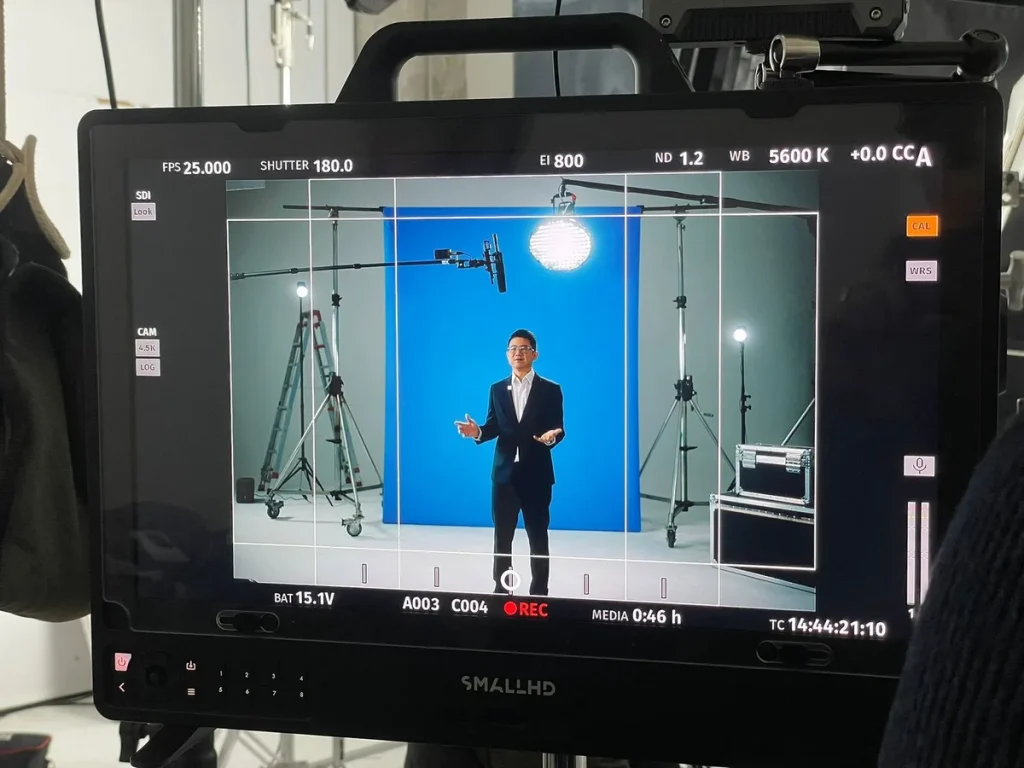
A photographer in Seoul covers the stills side of a production – portraits, product, architecture, food, fashion and event coverage. For visiting brands and agencies we supply a shooter who knows the city’s locations, light and permit process, so the brief lands without a local scout attached to every call sheet.
What a Seoul Photographer Brings to the Brief
A photographer in Seoul handles the stills: the hero product shot, the CEO portrait, the hotel suite, the dish, the runway frame or the factory floor. The good ones read a brief fast and turn it into a shot list, a lighting plan and a call sheet that respects the location and the clock.
For international clients the value is local knowledge as much as the lens – knowing which rooftop is open, what the light does at 5pm, and how to move a kit through Seoul without losing the golden hour.
Gangnam Studios and the Han River
Seoul’s production gravity is Gangnam and the Han River belt – studios, agencies and the open river parks that double as clean location backdrops. The river parks are public and permit-light for small shoots; the studio market is deep and bilingual-ready. For portrait and product work, a Gangnam studio keeps the day predictable.
See also Seoul Permits & Production Services for the wider Seoul production picture.
Power, Charging and Studio Realities in Seoul
Mains in Seoul run at 220V / 60Hz, Type C and Type F sockets (European two-pin and schuko). That sets your charging plan for speedlights, LED panels and tethered capture, and decides whether you need travel adaptors or local power distro on a bigger build.
Even on a stills job, venues lit with LED or fluorescent can flicker under the wrong shutter if you also grab motion – 60Hz mains means 30p or 60p is the safe default; at 24p keep the shutter at 1/60 or a 144-degree angle so fluorescent and LED sources do not flicker. Knowing it before the shoot saves a reshoot.
If the brief widens, Seoul Line Producer & Production Manager is the usual add-on in Seoul.
The K-Drama Aesthetic and the Palaces
Seoul’s palaces and hanok villages (Gyeongbokgung, Bukchon) are the heritage frames clients want, and they are permit-controlled with respect rules. The K-drama look – clean, lit, deliberate – shapes a lot of commercial briefs here. A fixer secures the palace approval and the shoot window before the crew is booked.
The Seoul Looks Clients Brief
The recurring Seoul requests are the Han River crossings and bridges, the glass towers of Yeouido and Gangnam, the tiled lanes of Bukchon and Insadong, Dongdaemun’s night markets and the mountains that ring the city, Bukhansan to the north. Architecture and interiors want clean verticals and balanced window light; food and product want controlled speculars; lifestyle and portraiture want the city’s actual texture, not a generic studio.
A shoot that spills onto a public pavement or plaza in Seoul usually opens a permit conversation worth starting during prep, so access is scoped before the call sheet locks.
For a fuller crew in Seoul, Seoul Translation & Interpretation is the natural next call.
Permits and Location Access in Seoul
Public-space filming needs permission from the relevant district office (gu) and the property owner; the Seoul Film Commission helps coordinate locations and the Korea Film Council (KOFIC) supports international productions. Drone flights require Civil Aviation Authority approval and police notification. A photographer moving through multiple locations in a day needs the permissions lined up in advance, not negotiated on the curb – it is the difference between a smooth call sheet and a cancelled setup.
For interiors – hotels, malls, transit – the property’s own approval often matters more than the city permit, so confirm both.
Scheduling Around Seoul’s Conditions
Incheon International (ICN) is 45 to 70 minutes out by express rail or road, the metro is extensive and punctual, and the city is compact enough that most locations sit within an hour of each other. Spring (April to May) and autumn (September to November) are the most reliable; summer is hot, humid and typhoon-prone, winter is cold but crisp with short daylight, which shapes exterior scheduling and how much weather contingency the plan needs.
Build in a realistic get-in and a kit-check window; a ten-minute frame-rate and card test on arrival prevents the ruined first setup that eats the rest of the day.
Frequently Asked Questions
Can you shoot at the palaces and hanok villages?
Yes with a permit and respect guidelines; these are managed heritage sites. We secure approval and a timed window.
Do Seoul photographers work in English?
Yes – Seoul photographers and studios work in English as well as the local language, so international briefs move without a language gap.
Are Seoul crews bilingual?
Yes – Seoul’s crew and rental market is comfortable in English as well as Korean, especially on international and brand jobs.
What is typically included in a photography day rate?
A shooter, a standard kit (body, lenses, lighting) and a first edit or select set. Assistants, specific strobes, locations and usage rights are scoped separately – send the brief and we break it down.
Related Services in Seoul
Most shoots here also book Seoul Videographer. You will often pair this with Seoul Bilingual Fixer on the same Seoul schedule.
Share the schedule and what you need to walk away with, and we will come back with the right people for it and a straightforward quote. Reach the production desk at [email protected].