2026年8月16日
Kathmandu Steadicam Rental | Hire Stabilized Camera Rig
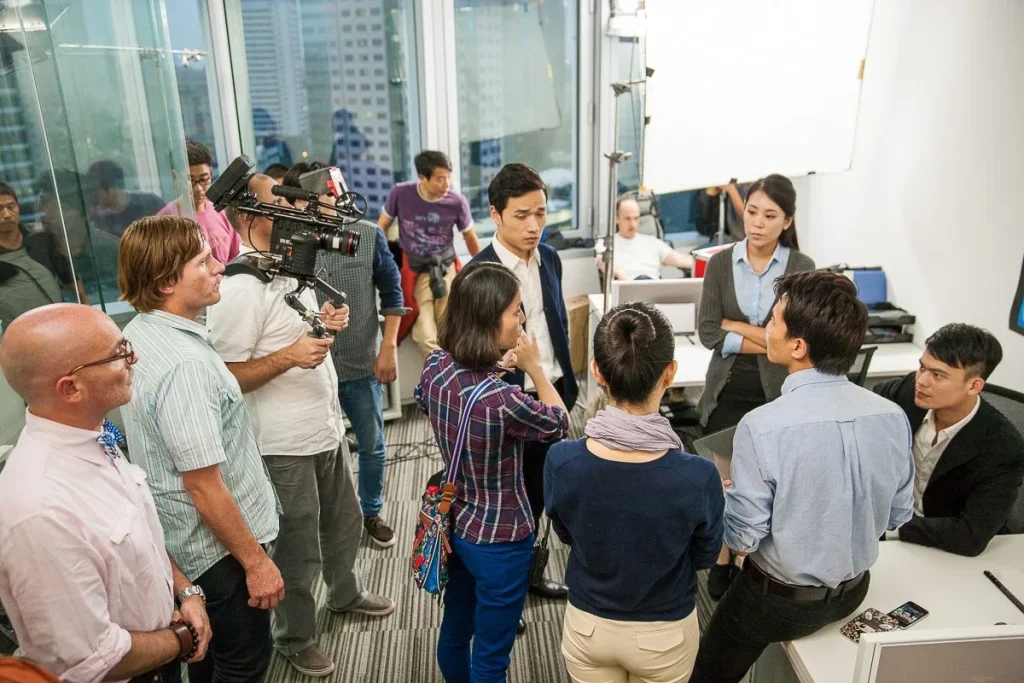
A Steadicam is the body-mounted stabilizer that floats the camera through long, unbroken moves in Kathmandu – a Tiffen rig or an ARRI Trinity with an operator who can walk the line. We rent the Steadicam with its arm, vest and a trained operator.
What You Get in a Kathmandu Steadicam Rental
A Steadicam rental in Kathmandu is the body-mounted stabilizer that isolates the camera from the operator’s steps for those long, floating moves a dolly cannot travel – a Tiffen Steadicam (Aero, Archer or M-1) or an ARRI Trinity with its arm, vest and gimbal. We supply the rig with its post and batteries, or the rig plus a trained operator when the brief wants the move walked. One rig, a free-flowing line, the shot that follows talent anywhere.
For most Kathmandu sets the Steadicam is the move a track cannot reach – up stairs, through a market, across a plaza.
The Models Clients Ask For
The Tiffen Steadicam Aero, Archer and M-1 are the rigs crews recognise; the ARRI Trinity and the Artemis add a powered, heavier-lift stabilizer for bigger bodies. We match the rig to the camera weight – an Aero for a mirrorless, an M-1 or a Trinity for a full cinema build. When the brief names a brand we bring it; when it says “斯坦尼康” we bring the Steadicam-class rig the Kathmandu market already runs.
A mixed kit also covers a second operator, which is why crews book the rig and the operator together.
If the brief widens, Camera Car Rental is the usual add-on in Kathmandu.
How Steadicams Are Used on Kathmandu Sets
Recurring Kathmandu requests are the stupas of Swayambhunath and Boudhanath, the Pashupatinath temples and the durbar squares, the Himalaya backdrop and the terraced valleys, and controlled brand looks built around spirituality and scale. A Steadicam is the flow behind them – a walk-and-talk through the old town, a chase up the stairs, a reveal across the plaza. Kathmandu filming permits run through the Film Development Board and the local authorities; temples and heritage sites need permission, and drone flights are restricted and need civil-aviation (CAAN) approval, and any rig on a pavement or plaza in Kathmandu escalates the permit conversation – worth raising before the operator is booked. Because the rig travels anywhere, it also saves the day on location-heavy days, which is why Kathmandu crews keep one on call.
The rig also earns its keep on documentary work, which production teams like as much as the float.
Most shoots here also book Crane Rental.
Surfaces and Safety on Kathmandu Locations
Mains in Kathmandu run at 230V at 50Hz, Type C, D and M sockets; a Steadicam draws power for the camera and the monitor, so we plan batteries and a power plan for the operator. Nepal runs on 230V 50Hz, so 25p is the clean default; 24p can shimmer under tube lighting, so test on a grey card before the shoot. The rig is balanced but the operator carries the load, so we keep the path clear, mind the steps and watch the swing radius on a Kathmandu location. We confirm floor grades and any stairs before delivery.
On stages we confirm the floor and the door widths before the operator suits up.
Pairing Steadicams With a Crew in Kathmandu
Kathmandu offers a small but growing freelance crew and fixer scene geared to documentary and adventure work, with a bilingual talent pool, so a Steadicam operator who can walk the line and a focus puller (1st AC) to keep the talent sharp are easy to arrange. A good operator owns the route, which is what keeps the move clean through the day. For a larger build, add a 1st AC on a remote follow and a dolly grip; the rig multiplies its value once the path is rehearsed.
For a fuller kit in Kathmandu, a crane is the natural companion on the same schedule.
For a fuller kit in Kathmandu, Dolly Rental is the natural next step.
Delivery and Support in Kathmandu
Kathmandu sits in a valley with dense, congestion-prone roads and an airport that is weather-sensitive, so location moves need generous buffer. The rig, vest and arm are delivered to set, studio or hotel in Kathmandu, and an operator can be added for prep, the shoot day or both.
The clearest Himalaya views come in the post-monsoon months of October and November and the pre-monsoon spring of March to May; winters are cold and clear, and the June to August monsoon brings heavy rain, which affects exterior scheduling and how the light holds for a long walk – plan get-in times around it.
Care and Counting in Kathmandu
As with any precision rental, a production insurance certificate and a deposit are standard for a Steadicam rental in Kathmandu; most visiting productions arrange the paperwork through a local partner. The arm and the gimbal are robust but the vest straps and the post clamp are the parts that wear, so they are checked on return.
Build a two-minute balance check into prep – an unbalanced rig is the difference between a float and a fight.
Frequently Asked Questions
What is included in a Steadicam rental in Kathmandu?
The rig (Tiffen Aero / Archer / M-1 or ARRI Trinity) with its arm, vest, gimbal and batteries, or the rig plus a trained operator. Tell us the camera weight and we size the build.
Can you hire a Steadicam with an operator in Kathmandu?
Yes – a Steadicam operator and a 1st AC to pull focus are the standard pairing, and we recommend both for any walked move.
What power should I plan for in Kathmandu?
Mains here are 230V at 50Hz, Type C, D and M sockets; the rig’s camera and monitor draw power, so we plan batteries and a power plan for the operator. Nepal runs on 230V 50Hz, so 25p is the clean default; 24p can shimmer under tube lighting, so test on a grey card before the shoot
Do Kathmandu rental houses work in English?
Yes – Kathmandu crews and rental houses work in English as well as the local language.
Tell us the dates, the locations and what the finished film needs to do, and we will come back with names and a clear quote. Contact the production office at [email protected].