2026年8月10日
Manila Camera Rental | Cinema Camera & Lens Hire
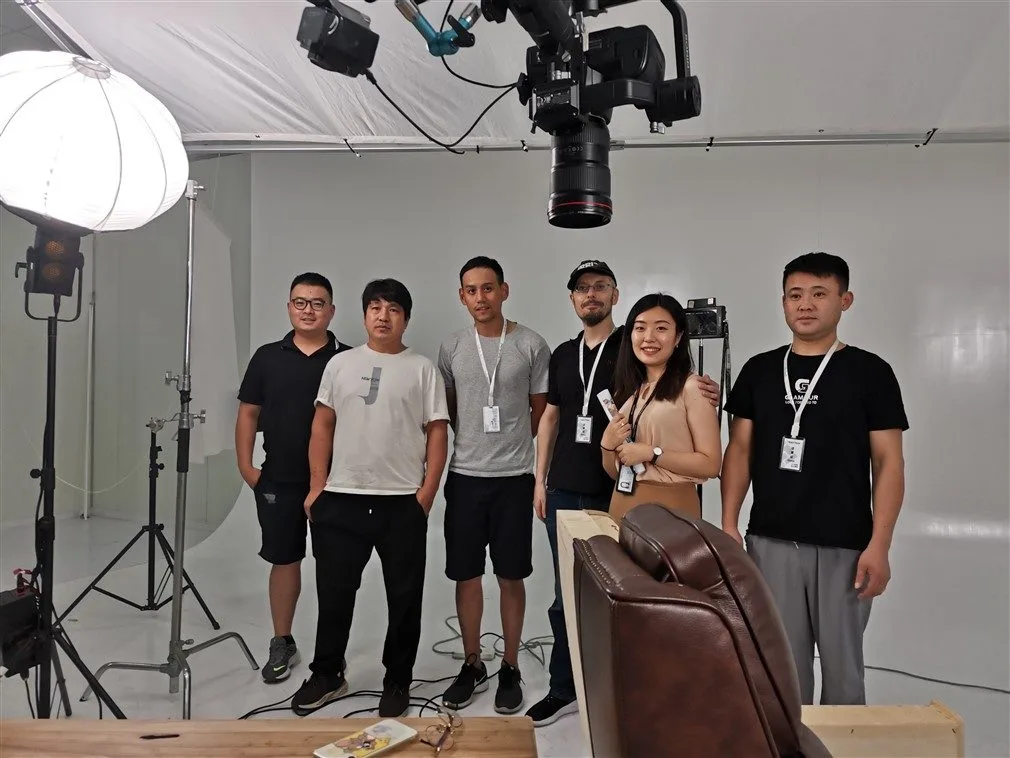
Camera rental in Manila covers everything from a single body for a one-day interview to a full cinema package with prime sets, support and a technician. We arrange kit for visiting productions and local crews, handle delivery to set, and make sure what turns up matches the order — including the accessories that are easy to forget until the camera is already on the tripod.
Camera Packages Available in Manila
The mainstream families are all rentable locally: ARRI Alexa bodies for commercial and drama work, Sony Cinema Line and FX-series bodies for documentary and corporate, RED for productions committed to that workflow, and Canon cinema bodies where a familiar colour science matters to the client. Compact mirrorless packages remain the sensible choice for travel units and small crews.
Rather than pushing the largest available package, we ask what the deliverable is. A broadcast documentary and a brand film with a cinema finish need genuinely different orders, and paying for a body the edit will never exploit is money better spent on lenses or a second operator.
Production Logistics in Manila
Manila’s roads are among the most congested in Asia, so schedule moves with long buffer and consider the new metro for crew transfers; Ninoy Aquino is close to the centre yet slow to reach. A strong local fixer keeps permits and logistics moving, and the large, English-capable crew and rental market makes American-format productions straightforward.
If the brief widens, Manila Permits & Production Services is the usual add-on in Manila.
Lenses, Support and Accessories
Zoom sets cover most corporate and event work and keep the day moving. Prime sets are worth the extra handling time when the look matters, and anamorphic is available but needs deciding early because it changes framing and lighting levels.
The parts of an order that most often get missed are the practical ones: enough media for the shooting ratio, batteries and a charging plan for a long day, a monitor the client can actually see in daylight, matte box and filtration, follow focus, and a fluid head genuinely rated for the weight on it. Every quote we send lists these explicitly.
Mains in Manila run at 220V / 60Hz, Type A, B and C sockets (American and Euro mixed), which decides chargers, distribution and whether any of your travelling kit needs a transformer.
You will often pair this with Manila Line Producer & Production Manager on the same Manila schedule.
The Look and the Light in Manila
Manila mixes Spanish and modern: the walls of Intramuros and the old churches, the towers of Makati and Bonifacio Global City, the jeepney avenues, Manila Bay and the markets of Quiapo. Light is tropical and strong, with hard midday sun and a soft, humid golden hour; the dry season from November to May is best for exteriors, and the well-treated sound stages and hotels carry controlled interviews.
Delivery, Prep and On-Set Support
Kit can be collected or delivered to set, hotel or studio. For anything beyond a basic package we recommend a prep session before the shoot day so the camera is built, the lenses are checked and the media is formatted while there is still time to swap a faulty component.
A technician or camera assistant can come with the order. On multi-camera days, or when the schedule has no room for a technical problem, that is usually the cheapest risk reduction available.
Ninoy Aquino (NAIA) is close to the centre but the roads are among the most congested in Asia, so schedule moves with long buffer and consider the new metro for crew transfers, which keeps delivery windows realistic across the city and into nearby shoot locations.
Most shoots here also book Manila Translation & Interpretation.
Shooting Conditions to Budget For
The dry season (roughly November to May) is best; the wet season (June to October) brings monsoon rain and typhoon risk, especially from July to September. Humidity and temperature swings matter for kit as much as for crew — moving a cold camera into humid air fogs glass and costs you the first ten minutes at every location.
Commercial shoots need clearance from the local barangay and city hall, and the Film Development Council of the Philippines (FDCP) and Film Philippines support international productions. Drone use requires Civil Aviation Authority of the Philippines (CAAP) authorisation, so factor approval lead times into when the kit is actually needed rather than booking it around optimistic dates.
Frequently Asked Questions
What power and frame rate apply in Manila?
Manila runs on 220V at 60Hz with a mix of Type A, B and C sockets. Use 30p or 60p as the safe default; at 24p keep the shutter at 1/60 or a 144-degree angle to avoid flicker from fluorescent and LED lighting.
Can you deliver camera equipment to set in Manila?
Yes. Delivery to set, hotel or studio is standard within Manila, and collection is arranged for the end of the hire.
Can we run a Manila shoot in English?
Yes. Manila’s crew base is large and deeply experienced with American-format productions, and fixers and producers commonly run the set in English.
Do I need insurance to rent camera equipment?
Normally yes — a production insurance certificate and a deposit are standard. Visiting productions often find this simpler to arrange through a local partner.
Planning the Rest of the Shoot
For a fuller crew in Manila, Manila Cinematographer is the natural next call. See also Manila Camera Operator for the wider Manila production picture.
Share the schedule and what you need to walk away with, and we will come back with the right people for it and a straightforward quote. Reach the production desk at [email protected].