2026年8月10日
Taipei Camera Operator | Cameraman Hire with Kit
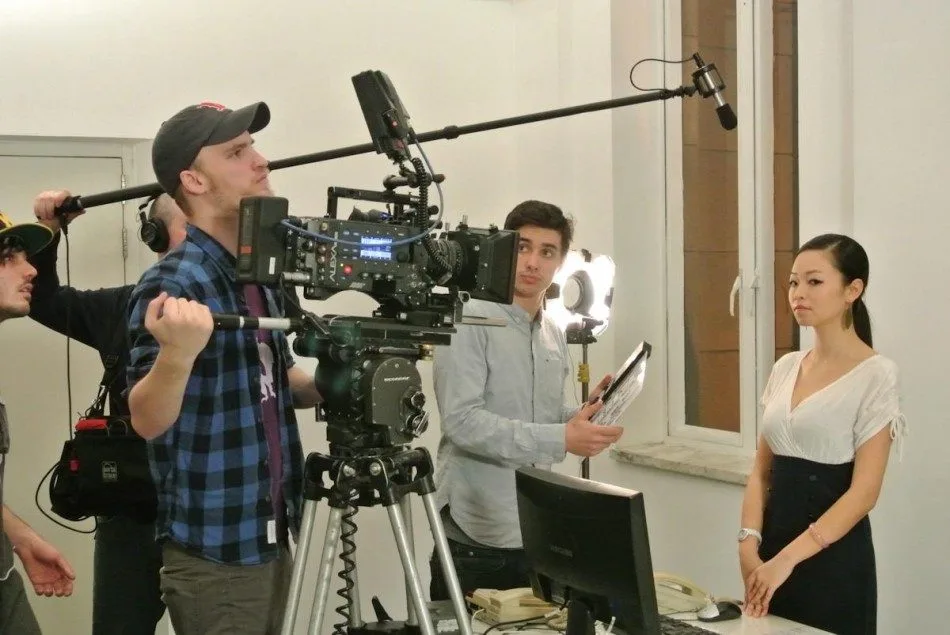
A camera operator in Taipei is the practical hire for most corporate, broadcast and event work: someone who arrives with a professional package, understands framing under pressure, and can be trusted to get the shot without a full unit behind them. We place English-speaking operators — with or without kit — for single days and multi-week schedules across Taipei.
When an Operator Is the Right Hire
If you have a director or producer travelling with a clear plan, an operator is usually all you need on camera. If the look itself has to be designed from scratch and lit, you want a director of photography instead. The distinction saves real money in both directions — over-hiring for a straightforward conference is as wasteful as under-hiring for a commercial.
The most common Taipei briefs are corporate interviews and b-roll, conference and event coverage, factory and site walkthroughs, news and current-affairs inserts, and second camera on a larger unit.
Production Logistics in Taipei
Taipei is compact with an excellent MRT, which makes moves quick, though rush hour is busy; Taoyuan International is 30 to 50 minutes out by express rail and the surrounding hills add scenic options within an hour. The bilingual crew and rental market is strong and used to brand work, so most needs are met locally.
Most shoots here also book Taipei Permits & Production Services.
Multi-Camera and Live Events in Taipei
Conferences, launches and awards in Taipei are normally covered with two or three operators working to a single lead, with matched picture profiles and jam-synced timecode so the edit lines up without guesswork. Where a venue is running its own vision mix and PA, we take clean feeds rather than duplicating them.
Local knowledge counts here. Public-space filming needs permission from the city government and the property or transit authority; the Taipei Film Commission assists with locations and permits, and major sites set their own terms. Drone work requires Civil Aeronautics Administration approval. Venues in this city vary widely in how much they will let a crew do, and knowing that before the call sheet goes out prevents an expensive morning.
See also Taipei Line Producer & Production Manager for the wider Taipei production picture.
The Look and the Light in Taipei
Taipei is dense and neon: the spire of Taipei 101, the night markets of Shilin and Raohe, the youth streets of Ximending, the skyline from Elephant Mountain and the hot-spring district of Beitou. Light is subtropical and humid, with hard summer sun and soft, misty intervals; plan exteriors for early morning or blue hour and use the well-isolated towers and hotels for controlled interviews.
Operating in Taipei Locations
Clients most often ask for the tapered spire of Taipei 101, the night markets of Shilin and Raohe, the youth streets of Ximending, the skyline from Elephant Mountain, the hot-spring district of Beitou and the old streets of Jiufen nearby, plus the riverside parks. Each carries a different operating reality — crowd density, restricted tripod use, low light, or property management with its own rules.
Subtropical; summer is hot and humid with plum rain in May and June and typhoon risk July to September, winter is mild and short, and spring and autumn are the most comfortable. For exterior-heavy schedules that window is worth designing around rather than working against.
You will often pair this with Taipei Translation & Interpretation on the same Taipei schedule.
Working with a Travelling Director
A large share of operator bookings in Taipei are made by a director or producer flying in for two or three days. That arrangement works well, but it depends on the operator being briefed properly before landing — a shot list or reference reel, the intended aspect ratio and frame rate, and an honest sense of how much coverage the edit actually needs.
The failure mode is arriving with a plan built for a different city. Distances, permit expectations and how much a venue will tolerate all vary, and a local operator will tell you which parts of the schedule are unrealistic while there is still time to reorder the day.
Where the director does not speak the local language, we add a bilingual producer rather than expecting the operator to run two jobs at once.
Rates, Days and Booking
Operators in Taipei are typically booked by the day, with half-days available for short interview blocks and overtime handled by agreement rather than surprise. Kit is quoted separately from crew so you can see what you are paying for and swap either side of the order.
Send dates, locations, the deliverable and whether you need kit. We come back with a shortlist and a clear quote rather than a rate card that ignores your brief.
Frequently Asked Questions
What power and frame rate apply in Taipei?
Taipei runs on 110V at 60Hz with Type A and Type B sockets. Use 30p or 60p as the safe default; at 24p keep the shutter at 1/60 or a 144-degree angle to avoid flicker from fluorescent and LED lighting.
Do your Taipei camera operators come with equipment?
Most own a professional camera, lens and tripod package, and many carry basic audio and lighting. If your brief needs a specific body or a larger order we quote crew and kit separately.
Is it practical to run a Taipei shoot in English?
Yes. Taipei’s crew base is strongly bilingual and used to international and brand work; local fixers and producers keep the set running in English.
Can you supply two or three operators for an event?
Yes. Multi-camera event coverage is routine — matched profiles, jam-synced timecode and a single lead operator coordinating the floor.
Other Roles on the Same Job
For a fuller crew in Taipei, Taipei Camera Rental is the natural next call. If the brief widens, Taipei Sound Recordist is the usual add-on in Taipei.
Send through the shooting dates and the brief for Taipei and we will reply with a shortlist and a price that is broken down properly. Reach the production desk at [email protected].