2026年8月10日
Taipei Sound Recordist | Location Sound Mixer for Hire
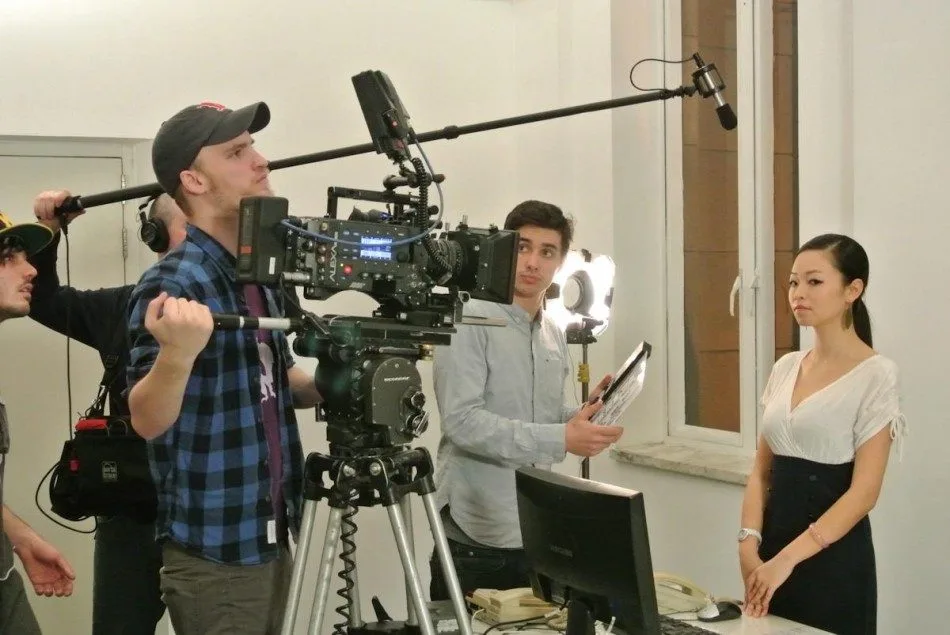
Sound is the part of a shoot that cannot be fixed afterwards. A location sound recordist in Taipei is there to make sure the dialogue you fly across the world to capture is actually usable — clean, consistent, correctly levelled and properly synced. We place experienced production sound mixers with documentary units, broadcast crews, agencies and corporate clients filming across Taipei.
What the Recordist Handles on Set
The recordist chooses and places microphones, sets levels, manages radio frequencies, monitors every take and flags problems while there is still time to do something about them. They also deliver the things editors quietly depend on — clean room tone from every location, sound reports, and timecode that actually matches.
On a two-camera interview that means a lavalier on each contributor plus a boom overhead as the primary, recorded as separate tracks so the edit has options. On observational documentary it means staying invisible while keeping a moving conversation intelligible.
Just as importantly, the recordist is the person who tells you that the beautiful glass meeting room you have been offered will sound like a bathroom, and suggests the carpeted one next door instead.
Production Logistics in Taipei
Taipei is compact with an excellent MRT, which makes moves quick, though rush hour is busy; Taoyuan International is 30 to 50 minutes out by express rail and the surrounding hills add scenic options within an hour. The bilingual crew and rental market is strong and used to brand work, so most needs are met locally.
See also Taipei Permits & Production Services for the wider Taipei production picture.
The Real Acoustic Problems in Taipei
Every city has a signature noise floor. In Taipei, Taipei is dense and urban; scooter swarms and the MRT form the constant layer, but the MRT is screened and quiet, and the hot-spring and mountain edges go still.
Air conditioning is the recurring battle indoors. Switching a system off for a take is usually possible in a private office and almost never possible in a hotel or shopping mall, so the recordist plans around it — tighter mic placement, closer boom work, and scheduling dialogue away from the plant room end of the building.
Subtropical; summer is hot and humid with plum rain in May and June and typhoon risk July to September, winter is mild and short, and spring and autumn are the most comfortable — weather matters to sound as much as to picture, because rain on the wrong roof ends a dialogue take regardless of how good the microphone is.
If the brief widens, Taipei Line Producer & Production Manager is the usual add-on in Taipei.
The Look and the Light in Taipei
Taipei is dense and neon: the spire of Taipei 101, the night markets of Shilin and Raohe, the youth streets of Ximending, the skyline from Elephant Mountain and the hot-spring district of Beitou. Light is subtropical and humid, with hard summer sun and soft, misty intervals; plan exteriors for early morning or blue hour and use the well-isolated towers and hotels for controlled interviews.
Interviews, Documentary and Live Events
Seated interviews are the most common request in Taipei and the most straightforward to get right: boom plus lav, controlled room, and a client feed so the producer can hear what is actually being recorded rather than guessing from the monitor.
Documentary and run-and-gun work is harder. It needs a recordist who can rig a contributor quickly, hide a transmitter under summer clothing, and keep a two-person conversation balanced while both people move.
Conferences and live events bring a different problem — the house PA. Taking a clean feed from the venue desk is always preferable to pointing a microphone at a speaker stack, and that arrangement is worth making with the venue in advance rather than on the morning.
Most shoots here also book Taipei Translation & Interpretation.
Working with Bilingual Contributors
A large share of shoots in Taipei involve contributors speaking a language the director does not. That changes the sound plan: the recordist keeps interpreter and contributor on separate tracks so the edit can use either, and the producer can follow a live translation feed without it bleeding into the recording.
Getting this wrong is expensive — a mixed track with an interpreter talking over the answer is close to unusable, and it is the single most common sound failure we are asked to rescue.
Frequently Asked Questions
What power and frame rate apply in Taipei?
Taipei runs on 110V at 60Hz with Type A and Type B sockets. Use 30p or 60p as the safe default; at 24p keep the shutter at 1/60 or a 144-degree angle to avoid flicker from fluorescent and LED lighting.
Do I need a dedicated sound recordist in Taipei, or can the camera operator handle audio?
For a single short interview a camera operator with a lav can be enough. For anything with two contributors, movement, or a location you have not seen, a dedicated recordist in Taipei is the cheapest insurance on the shoot.
Is it practical to run a Taipei shoot in English?
Yes. Taipei’s crew base is strongly bilingual and used to international and brand work; local fixers and producers keep the set running in English.
Is a sound recordist available at short notice in Taipei?
Often, yes. Taipei has an active freelance sound community, though the strongest mixers book out first in peak season.
Planning the Rest of the Shoot
You will often pair this with Taipei Camera Operator on the same Taipei schedule. For a fuller crew in Taipei, Taipei Camera Rental is the natural next call.
Tell us the dates, the locations and what the finished piece has to do, and we will come back with names and a clear quote. Reach the production desk at [email protected].